Risk: A Challenge for Caldas is a regional initiative launched by Corpocaldas, the environmental authority of the Caldas department in Colombia. This campaign focuses on enhancing risk management, addressing environmental challenges, and educating the public about local hazards. Through multimedia content and educational programs, the initiative seeks to build awareness and resilience among residents of Caldas.
By documenting past experiences, sharing lessons learned, and providing resources for prevention, the initiative supports both community preparedness and policy planning for environmental and disaster-related risks.
Overview
| Focus Area | Purpose |
|---|---|
| Risk Management | Strengthen regional strategies for disaster prevention and mitigation |
| Environmental Awareness | Address specific ecological and geological challenges in Caldas |
| Educational Campaigns | Inform communities about hazards and safe practices |
| Digital Resources | Provide podcasts, digital books, and multimedia storytelling |
| Community Engagement | Foster participation in resilience and preparedness initiatives |
Regional Risk Management
Caldas is characterized by mountainous terrain and volcanic soils, which increase vulnerability to landslides, floods, and erosion. The initiative emphasizes structured risk assessment, mapping hazard zones, and planning infrastructure to reduce disaster impact.
Through historical analysis of past disasters and mitigation strategies, the initiative helps local authorities and communities better prepare for future environmental challenges.
Educational And Multimedia Strategy
The initiative employs a multimedia approach to raise awareness and share knowledge:
- Podcasts: Highlight historical events, technical studies, and lessons learned from risk management in the region.
- Digital Book: Chronicles the evolution of disaster preparedness and planning over the past five decades.
- Storytelling Content: Combines personal experiences, archival materials, and visual media to educate communities on local hazards.
These tools make complex risk information accessible to both residents and decision-makers.
Promoting Community Engagement
Risk management in Caldas is strengthened by active participation from local communities. Educational campaigns encourage residents to:
- Recognize potential hazards in their neighborhoods
- Develop personal and household emergency plans
- Participate in local preparedness workshops and events
By engaging the community, the initiative builds a culture of resilience and proactive risk management.
Preserving Historical Knowledge
The initiative consolidates over 50 years of risk management documents, maps, and reports produced by regional authorities. This historical archive allows:
- Analysis of past successes and failures
- Better-informed decision-making for current and future environmental planning
- Transfer of knowledge to younger generations of planners and citizens
Preserving institutional memory ensures continuity and improvement of disaster prevention strategies.
Integration With Regional Planning
Corpocaldas coordinates with local governments, environmental organizations, and civil defense agencies to integrate risk management into broader planning. The initiative supports:
- Climate adaptation measures
- Sustainable development strategies
- Improved emergency response coordination
This integration ensures that environmental challenges are addressed systematically and effectively.
Impact And Outcomes
The initiative has produced measurable benefits for both the community and local authorities. By increasing awareness of environmental hazards, more residents are actively participating in preparedness activities, and local governments have improved planning and response strategies.
Early reports indicate better coordination during emergencies, greater understanding of risk zones, and stronger community resilience. The multimedia and educational components have also made technical information more accessible, ensuring that lessons learned from past disasters are applied effectively to prevent future losses.
Future Implications
“Risk: A Challenge for Caldas” serves as a model for regional risk management, combining historical research, community engagement, and modern communication tools. Its approach demonstrates the importance of awareness, preparedness, and collaboration in reducing vulnerability to natural hazards.
By documenting the past, educating the present, and preparing for the future, the initiative strengthens both community resilience and environmental stewardship in Caldas. Its innovative use of podcasts, digital content, and public engagement provides a blueprint for other regions facing similar environmental and disaster-related challenges.
Modern Safety Standards for Mechanical Systems and Equipment


Risk Assessment Strategies Every Engineer Should Know

Sustainable Fertilization Strategies for Barley Cultivation
How Companies Minimize Operational Risks in High-Risk Environments

Top Challenges in Industrial Risk Management in 2025

Genetic Diversity in Turkish Chickpea Varieties
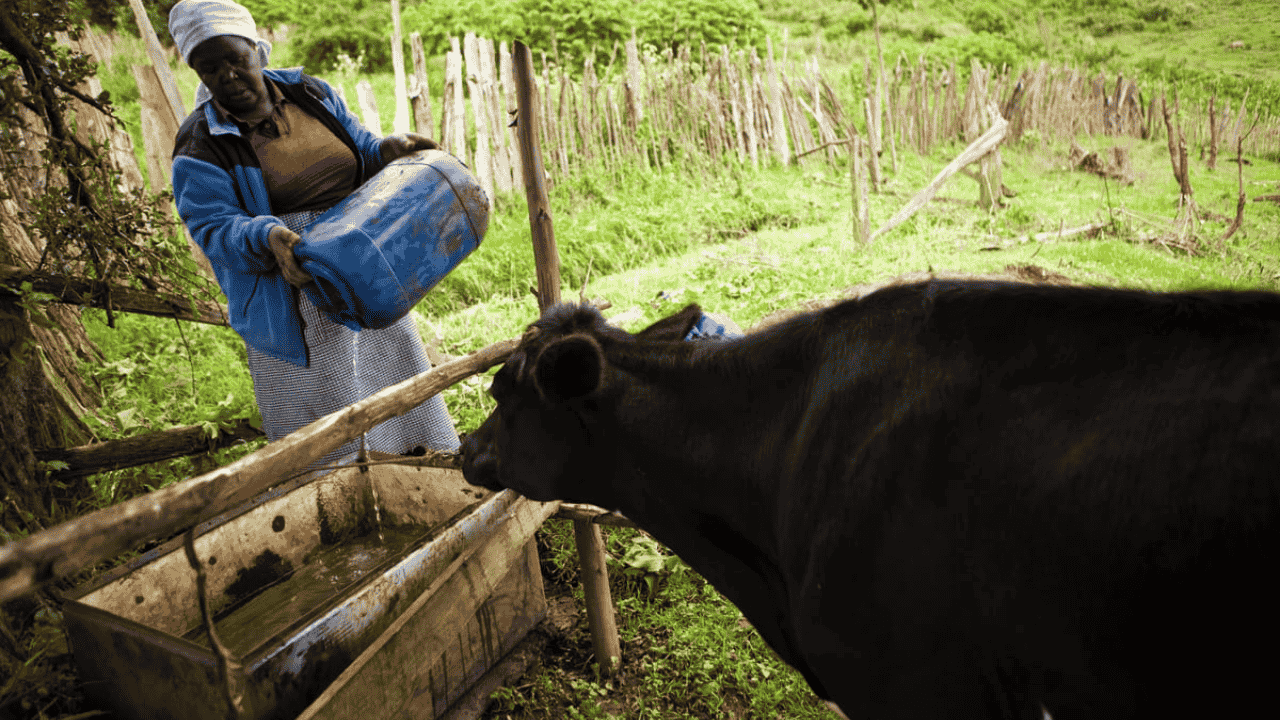
Assessment of Crop-Livestock Integration Systems

Comparative Analysis of Conventional and No-Till Farming Systems
Role of Mulching in Weed Control and Soil Moisture Conservation
Utilization of Cover Crops to Enhance Soil Health
Impact of Climate Change on Forage Crop Distribution