
Modern Safety Standards for Mechanical Systems and Equipment
In today’s industrial landscape, safety is no longer just a regulatory requirement—it is a critical component of operational efficiency and ...


How Companies Minimize Operational Risks in High-Risk Environments
Operating in high-risk environments—such as oil and gas facilities, mining sites, chemical plants, and large-scale manufacturing units—requires companies to adopt ...

Top Challenges in Industrial Risk Management in 2025
Industrial risk management is undergoing rapid transformation in 2025 as organizations face increasingly complex operational, technological, and environmental threats. From ...
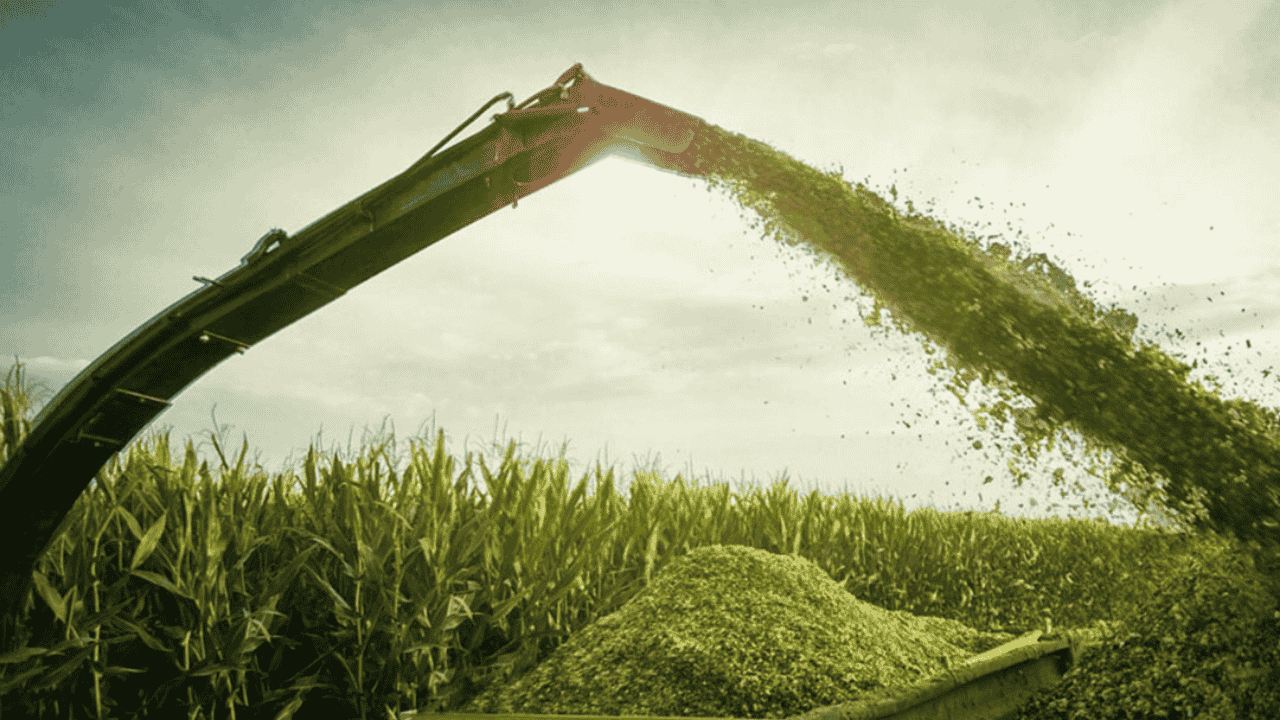
Effect of Harvesting Time on Silage Quality
Harvesting time is a critical factor that directly affects the quality, fermentation, and nutritional value of silage. Silage is a ...

Impact of Legume-Grass Mixtures on Forage Yield
Integrating legumes into grass pastures is a widely practiced strategy to enhance forage yield and quality. Legume-grass mixtures improve nutrient ...

Evaluation of Forage Quality in Different Grass Species
Forage quality is a critical factor in livestock nutrition, directly influencing animal growth, milk production, and overall health. Grass species ...

Impact of Mutation Breeding on Tomato Resistance to Fusarium
Tomato is a globally important horticultural crop, valued for its nutritional content, economic significance, and versatility in food products. One ...
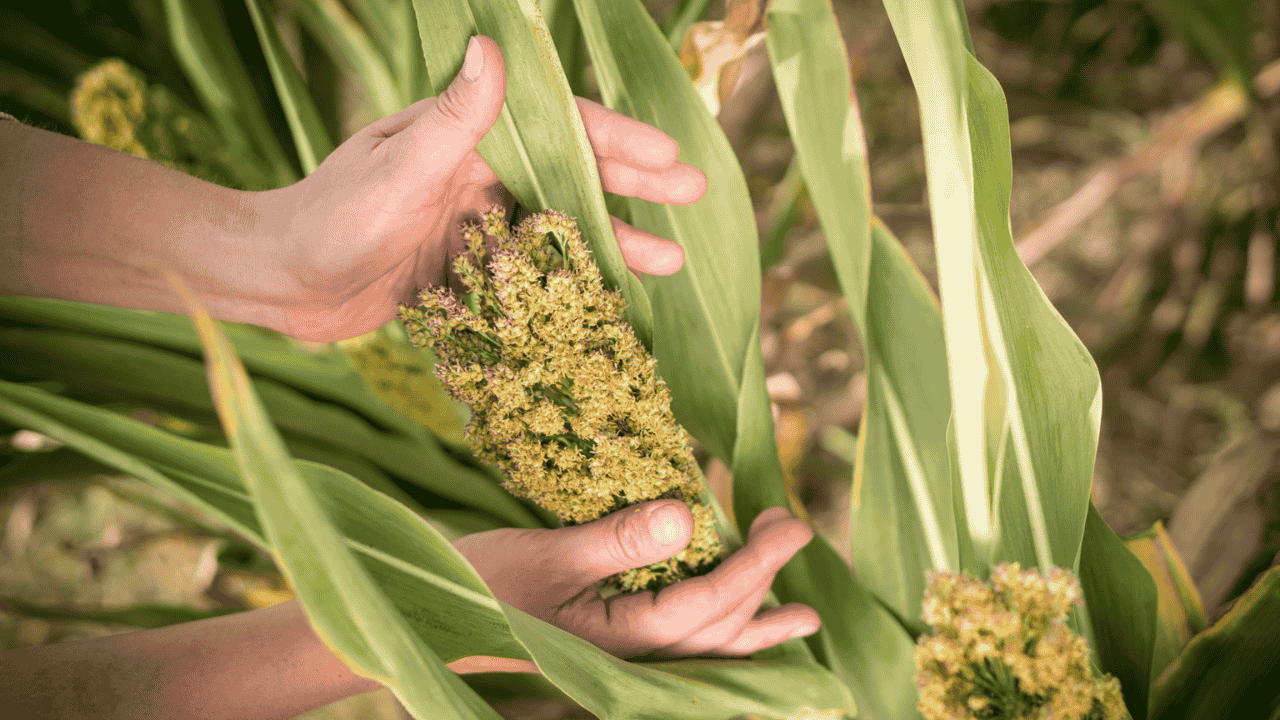
Hybrid Vigor in Sorghum: Genetic Implications
Sorghum is a major cereal crop grown for food, fodder, and biofuel production, particularly in arid and semi-arid regions. One ...
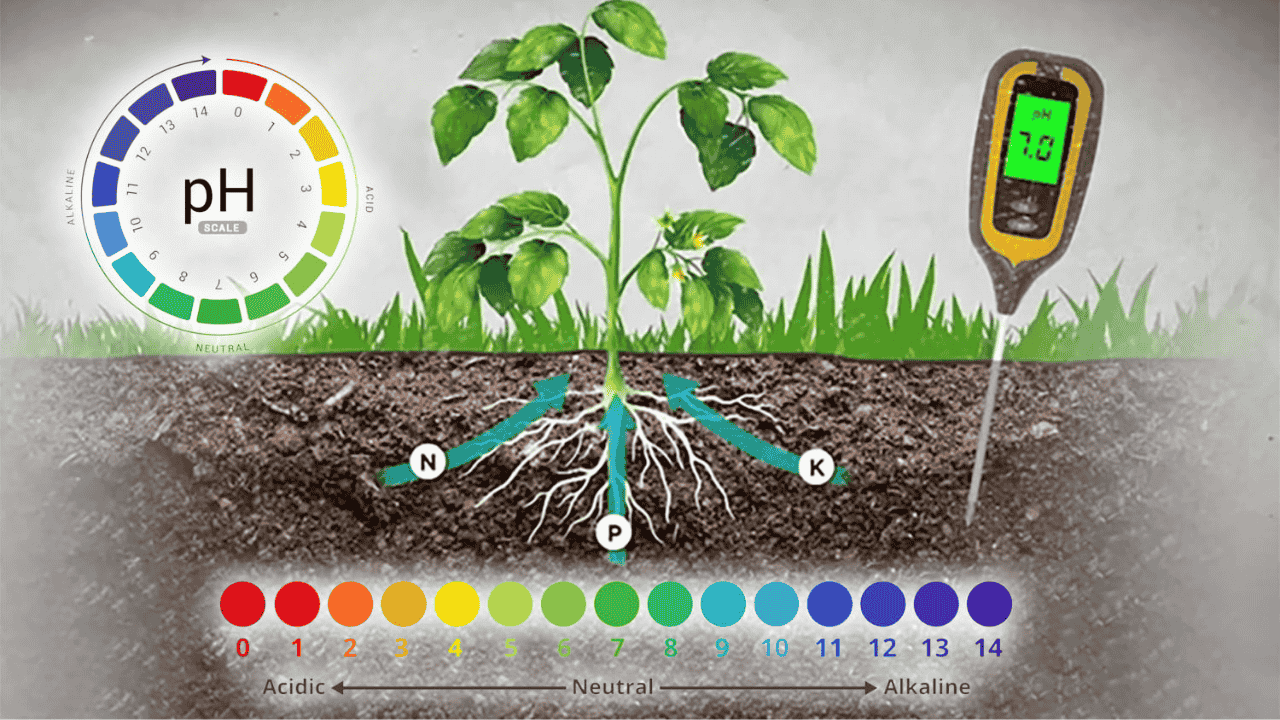
Effect of Soil pH on the Growth of Medicinal Herbs
Soil pH is a key factor influencing the growth, nutrient availability, and bioactive compound production in medicinal herbs. It determines ...
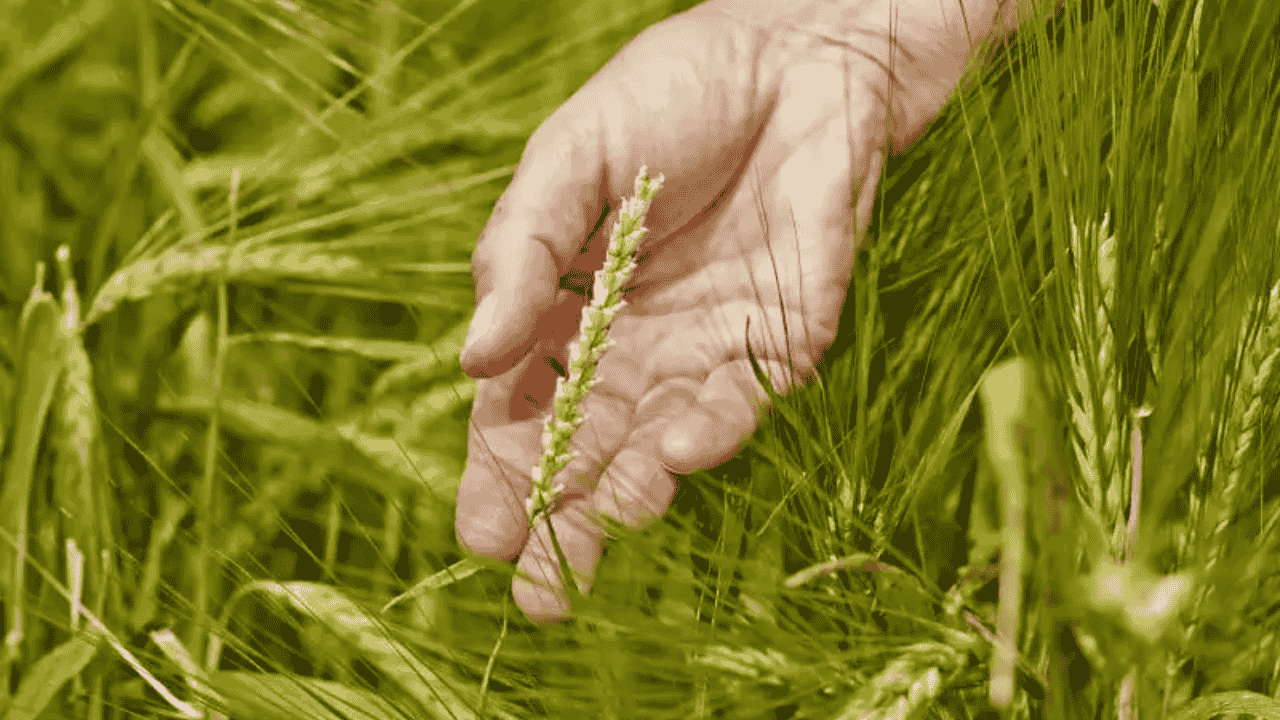
Breeding Strategies for High-Protein Barley Varieties
Barley is a versatile cereal crop cultivated for food, feed, and malting purposes. Protein content is a critical quality parameter, ...
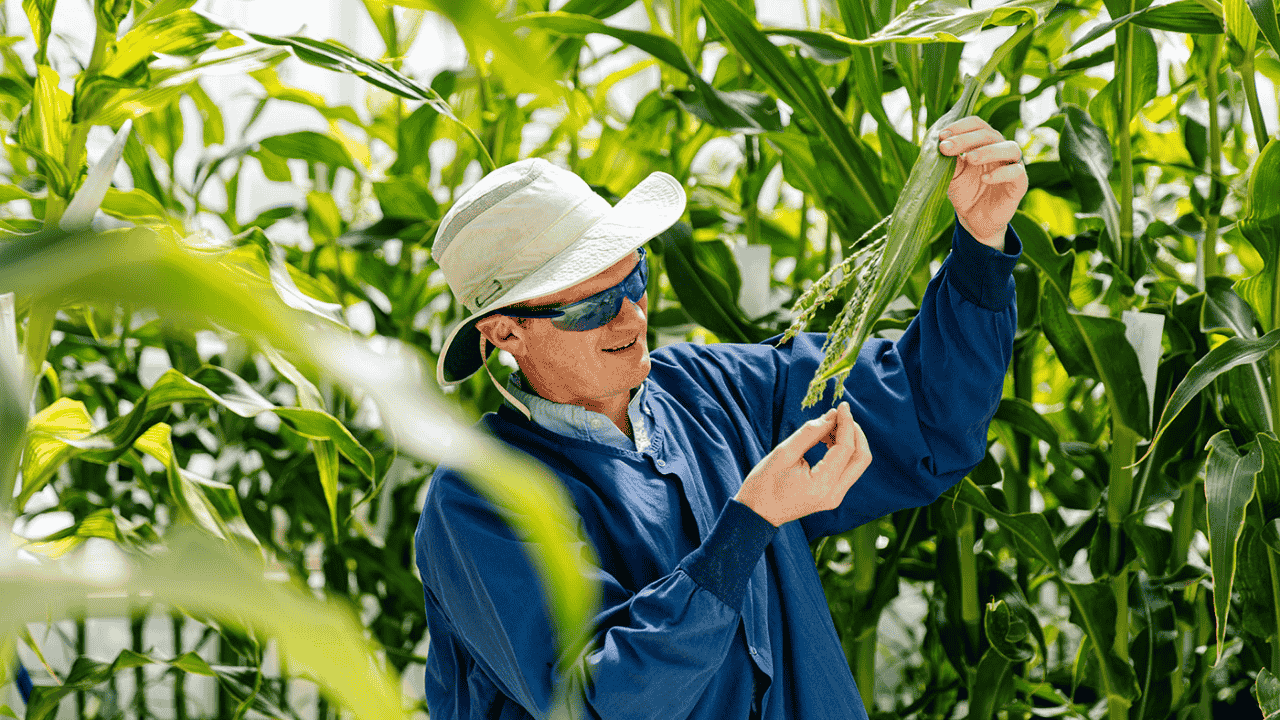
Use of CRISPR Technology in Developing Herbicide-Tolerant Crops
Herbicide tolerance is a critical trait for modern crop production, allowing farmers to control weeds effectively, improve yield, and reduce ...

Integration of Genomic Selection in Field Crop Breeding Programs
Genomic selection (GS) is transforming modern plant breeding by enabling the prediction of complex traits based on genome-wide marker data. ...