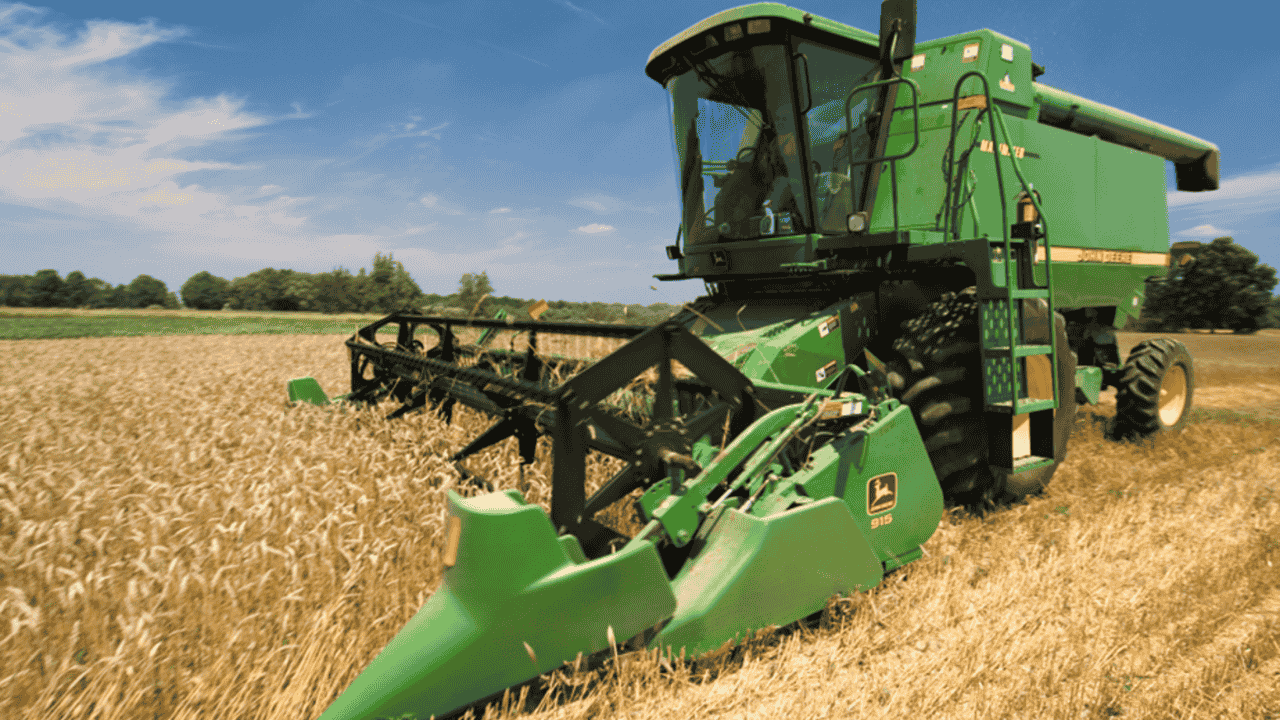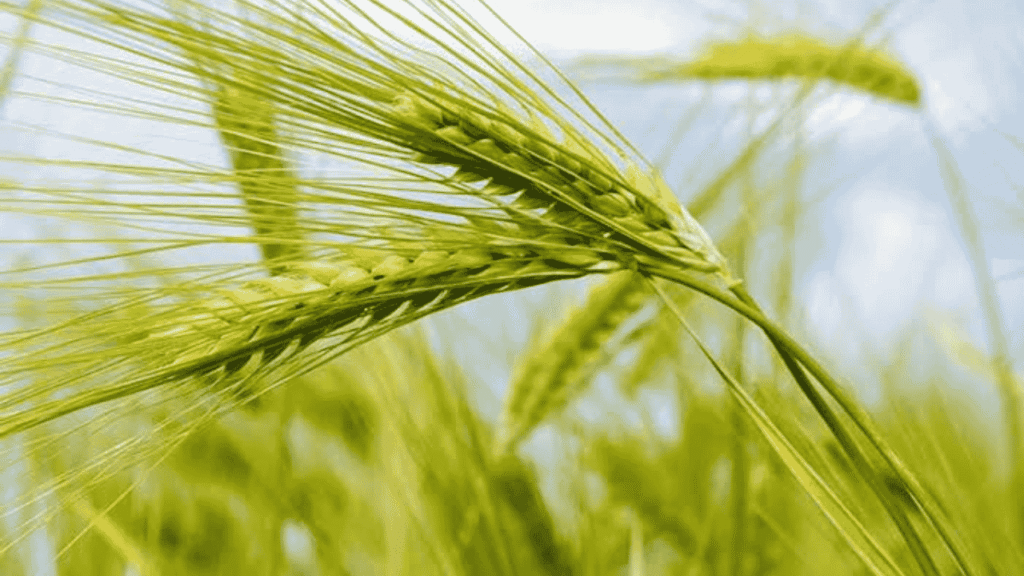
Barley is a widely cultivated cereal crop used for food, feed, and brewing. Ensuring high productivity and grain quality requires effective fertilization management, but excessive or inappropriate fertilizer use can lead to soil degradation, environmental pollution, and reduced long-term sustainability. Sustainable fertilization strategies aim to optimize nutrient use efficiency, maintain soil fertility, and reduce negative environmental impacts while sustaining barley yields.
In modern agriculture, adopting sustainable approaches is critical for balancing crop requirements with environmental stewardship. These strategies involve proper nutrient management, integration of organic and inorganic fertilizers, soil testing, and the use of crop residues to enhance soil health. By improving nutrient use efficiency, farmers can reduce input costs, maintain soil productivity, and achieve high-quality barley production over successive seasons.
Table of Contents
Overview
| Aspect | Key Focus |
|---|---|
| Soil Fertility | Maintaining nutrient balance and organic matter |
| Nutrient Management | Balanced application of N, P, K, and micronutrients |
| Organic Fertilizers | Use of compost, manure, and green manure |
| Inorganic Fertilizers | Targeted application based on soil tests |
| Sustainability | Reducing chemical runoff and environmental impact |
| Crop Residue Management | Returning nutrients to soil and improving structure |
Balanced Nutrient Management
Effective barley fertilization begins with balanced nutrient management. Barley requires essential macronutrients, particularly nitrogen (N), phosphorus (P), and potassium (K), in specific ratios to support growth, tillering, and grain filling.
Soil testing before planting allows farmers to determine nutrient deficiencies and adjust fertilizer applications accordingly. Applying nutrients based on soil test results and crop requirements ensures that barley receives adequate nutrition without excessive chemical input, improving both yield and environmental safety.
Nitrogen Management
Nitrogen is critical for vegetative growth and grain yield but is also prone to losses through leaching and volatilization. Sustainable nitrogen strategies include:
- Split application: Applying nitrogen in multiple doses during tillering and stem elongation reduces losses and improves uptake.
- Use of slow-release fertilizers: Minimizes nitrogen loss and enhances efficiency.
- Integration with organic amendments: Combining nitrogen fertilizers with compost or manure improves nutrient retention.
These practices optimize nitrogen use efficiency, supporting healthy plant growth while protecting the environment.
Phosphorus and Potassium Optimization
Phosphorus promotes root development and early growth, while potassium enhances stress tolerance, grain filling, and quality. Applying these nutrients based on soil test recommendations prevents overuse and ensures adequate availability throughout the growing season.
Band placement or localized application near the root zone increases uptake efficiency, reduces wastage, and minimizes environmental runoff into water bodies.
Incorporating Organic Fertilizers
Organic fertilizers such as compost, animal manure, and green manure crops are essential for sustainable barley cultivation. They improve soil structure, enhance microbial activity, and provide slow-release nutrients.
Integrating organic amendments with inorganic fertilizers creates a balanced nutrient supply, enhances soil fertility over time, and reduces dependency on chemical inputs, promoting long-term sustainability.
Crop Residue Management
Returning crop residues to the soil is an effective strategy to recycle nutrients and improve soil organic matter. Incorporating barley straw and root residues enhances soil structure, water retention, and microbial activity, benefiting subsequent crops.
Residue management also reduces soil erosion, maintains fertility, and supports a healthy soil ecosystem, which is crucial for sustainable barley production.
Environmental and Economic Benefits
Sustainable fertilization reduces chemical runoff, groundwater contamination, and greenhouse gas emissions. Efficient nutrient use lowers input costs while maintaining high yields, providing both economic and ecological benefits.
By adopting sustainable fertilization practices, farmers contribute to long-term soil health, environmental protection, and climate-resilient agriculture, ensuring barley production remains productive and sustainable.
Looking Ahead
Sustainable fertilization strategies are essential for maintaining soil fertility, optimizing barley yield, and protecting the environment. By integrating balanced nutrient management, organic and inorganic fertilizers, crop residue recycling, and precision application techniques, farmers can enhance nutrient use efficiency and long-term soil productivity. Implementing these strategies ensures high-quality barley production, cost-effective farming, and sustainable agricultural practices that support both current and future generations.