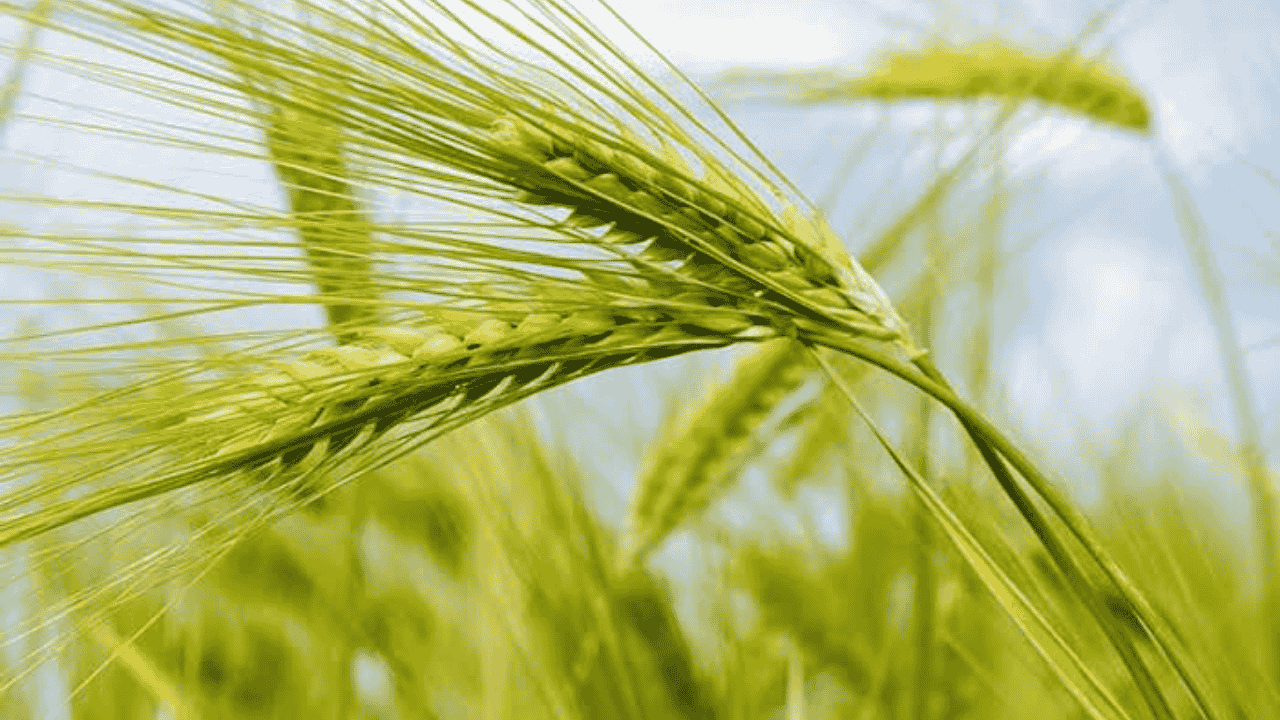
Cover crops are non-harvested plants grown primarily to protect and improve soil health between main crop cycles. They are a key practice in sustainable agriculture, offering numerous benefits including soil fertility enhancement, erosion control, weed suppression, and increased microbial activity. Utilizing cover crops effectively can boost long-term productivity and maintain environmental sustainability in farming systems.
Cover crops also contribute to nutrient cycling, capturing residual nitrogen and other essential nutrients in the soil, preventing leaching, and making them available for subsequent crops. By integrating cover crops into crop rotations, farmers can enhance soil structure, improve water retention, and increase resilience against climatic stresses, ensuring healthier and more productive farmland.
Table of Contents
Overview
| Aspect | Key Focus |
|---|---|
| Soil Fertility | Nitrogen fixation and nutrient cycling |
| Erosion Control | Reducing soil loss and surface runoff |
| Weed Suppression | Competing with weeds for sunlight and nutrients |
| Soil Structure | Improving aggregation, porosity, and water retention |
| Microbial Activity | Enhancing beneficial soil organisms |
| Sustainability | Reducing chemical inputs and maintaining long-term productivity |
Enhancing Soil Fertility
Certain cover crops, especially legumes like clover, vetch, and peas, can fix atmospheric nitrogen, enriching the soil naturally. Non-legume cover crops, such as rye or oats, help scavenge residual nutrients, preventing losses through leaching and runoff.
By incorporating cover crops into the field, farmers maintain nutrient balance, reduce dependency on synthetic fertilizers, and provide a nutrient-rich environment for the following cash crops, which contribute to higher yields and improved soil health.
Erosion and Weed Control
Cover crops act as a protective layer, shielding the soil from wind and water erosion. Their root systems stabilize the soil surface, reducing topsoil loss and improving water infiltration.
They also compete with weeds for light, water, and nutrients, suppressing weed growth naturally. This reduces the need for chemical herbicides, lowers production costs, and promotes environmentally friendly farming practices.
Improving Soil Structure
Cover crops improve soil aggregation, porosity, and organic matter content. Deep-rooted species like radish or rye penetrate compacted layers, enhancing aeration and water infiltration.
Increased organic matter from decomposed cover crop residues improves soil water retention and nutrient availability, creating favorable conditions for the next crop cycle. Enhanced soil structure also supports healthier root systems and better overall crop growth.
Boosting Microbial Activity
Cover crops stimulate beneficial soil microorganisms, including bacteria, fungi, and earthworms, which play a critical role in nutrient cycling and disease suppression. Healthy microbial communities improve soil fertility and resilience, contributing to long-term sustainability.
Some cover crops also release allelopathic compounds that naturally suppress soil-borne pathogens, reducing crop diseases and improving the productivity of subsequent crops.
Integration Into Crop Rotations
Integrating cover crops into crop rotations maximizes their benefits. Farmers can choose legumes for nitrogen enrichment, grasses for soil structure, or mixed species for combined effects. Timing is critical; cover crops can be planted after harvest and terminated before the next planting season, ensuring minimal competition with cash crops.
Strategic rotation of cover crops with main crops improves soil health, reduces pest and disease pressure, and enhances the efficiency of nutrient and water use.
Sustainability and Environmental Benefits
Cover crops contribute to sustainable agriculture by reducing chemical input requirements, preventing nutrient leaching, and mitigating erosion. They promote biodiversity in the soil ecosystem and enhance long-term soil productivity.
Additionally, cover crops can sequester carbon in the soil, contributing to climate change mitigation while improving resilience to droughts and other environmental stresses. They are a cost-effective and eco-friendly practice that supports both productivity and sustainability.
In Summary
Utilizing cover crops is an effective strategy to enhance soil health, improve fertility, and promote sustainable agriculture. By integrating legumes, grasses, or mixed species into crop rotations, farmers can reduce erosion, suppress weeds, stimulate microbial activity, and optimize nutrient cycling. Cover crops improve soil structure, increase water retention, and reduce reliance on chemical inputs, ensuring healthier soils and higher productivity for future crops. Implementing cover crops is a practical, eco-friendly approach to achieving long-term soil sustainability and resilient farming systems.