Planting time is a critical factor in determining soybean yield and quality. The timing of sowing affects germination, vegetative growth, flowering, and pod development, ultimately influencing overall productivity. Planting too early or too late can expose soybeans to adverse weather, pests, and diseases, while optimal timing maximizes yield potential, resource use efficiency, and crop resilience.
Soybeans are sensitive to temperature, day length, and soil moisture during germination and early growth. Adjusting planting schedules based on local climatic conditions, soil temperature, and seasonal rainfall patterns ensures better establishment and reduces the risk of stress during critical growth stages. Understanding the influence of planting time allows farmers to make informed decisions that enhance productivity and sustainability.
Table of Contents
Overview
| Aspect | Key Focus |
|---|---|
| Germination | Soil temperature and moisture requirements |
| Vegetative Growth | Optimal conditions for leaf and stem development |
| Flowering & Pod Set | Avoiding heat or drought stress |
| Yield | Maximizing grain number and size |
| Pest & Disease Risk | Reduced exposure through timing adjustment |
| Resource Efficiency | Improved use of water and nutrients |
Optimal Germination Conditions
Soybeans require warm soil temperatures, typically between 15–25°C, for successful germination. Planting too early in cold soils delays emergence, reduces stand uniformity, and increases vulnerability to soil-borne diseases.
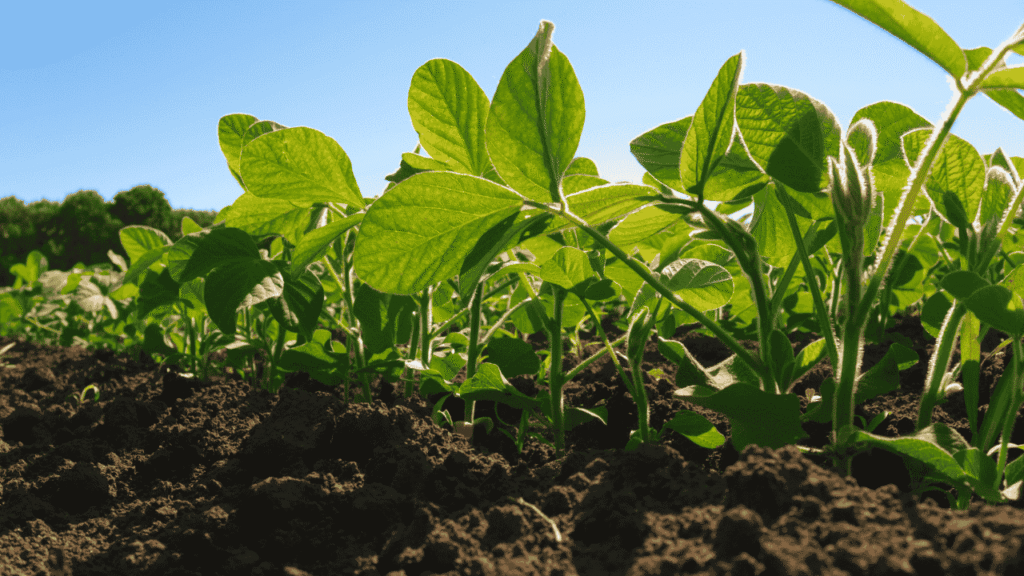
Late planting can lead to insufficient vegetative growth, reducing leaf area and photosynthetic capacity. Aligning sowing time with favorable soil temperatures ensures uniform emergence, healthy seedlings, and strong early growth, which is crucial for subsequent yield formation.
Vegetative Growth and Development
During the vegetative phase, soybeans develop stems, leaves, and roots that support flowering and pod formation. Early planting under favorable conditions allows longer vegetative growth, resulting in better canopy development and root establishment.
Delayed planting shortens the vegetative period, reducing biomass accumulation and leaf area, which can limit photosynthesis and nutrient uptake. Proper timing maximizes plant vigor, enhancing the crop’s ability to withstand environmental stresses.
Flowering and Pod Formation
Soybeans are sensitive to photoperiod and temperature during flowering. Planting at the optimal time ensures flowering coincides with favorable weather, avoiding heat stress, drought, or excessive rainfall that can affect pod set.
Late planting may shift flowering into periods of high temperature or low moisture, reducing pod number, seed size, and overall yield. Timely planting is therefore critical for achieving maximum reproductive success and grain production.
Yield Optimization
Planting time directly influences soybean yield by affecting the number of pods, seeds per pod, and seed weight. Early or optimal planting generally results in higher yields, as plants have more time to develop leaves, flowers, and pods under suitable conditions.
Late planting can lead to reduced seed filling, smaller seed size, and lower overall productivity. Adjusting planting schedules according to local climatic patterns ensures maximum utilization of available sunlight, temperature, and rainfall, leading to optimal yield.
Pest and Disease Management
Planting time also impacts exposure to pests and diseases. Early planting may increase the risk of soil-borne pathogens, while late planting can expose crops to insect infestations or fungal outbreaks during sensitive growth stages.
Selecting an appropriate planting window allows farmers to minimize pest and disease pressure, reducing dependency on chemical control measures and supporting sustainable crop production.
Resource Use Efficiency
Optimal planting time improves the efficiency of water, nutrient uptake, and sunlight utilization. Healthy early growth ensures that plants have well-developed root systems and leaf area, which support nutrient absorption and photosynthesis throughout the growing season.
By aligning planting with environmental conditions, farmers can maximize resource use efficiency, reduce input waste, and enhance overall productivity.
Parting Insights
Planting time is a key determinant of soybean productivity. Properly timed sowing ensures favorable germination, robust vegetative growth, optimal flowering, and efficient pod development, ultimately maximizing yield and quality. By considering local climate, soil temperature, and seasonal patterns, farmers can reduce stress risks, improve resource use efficiency, and achieve sustainable, high-yield soybean production. Timely planting is therefore essential for both short-term productivity and long-term farm sustainability.