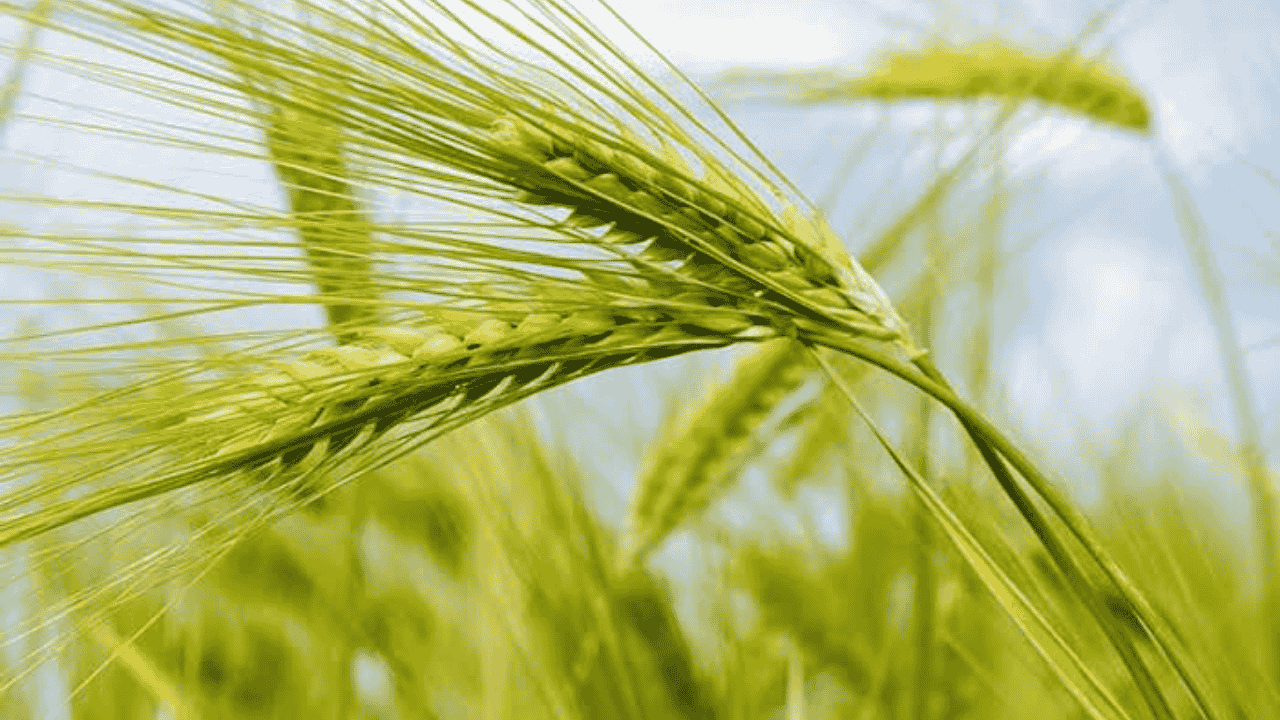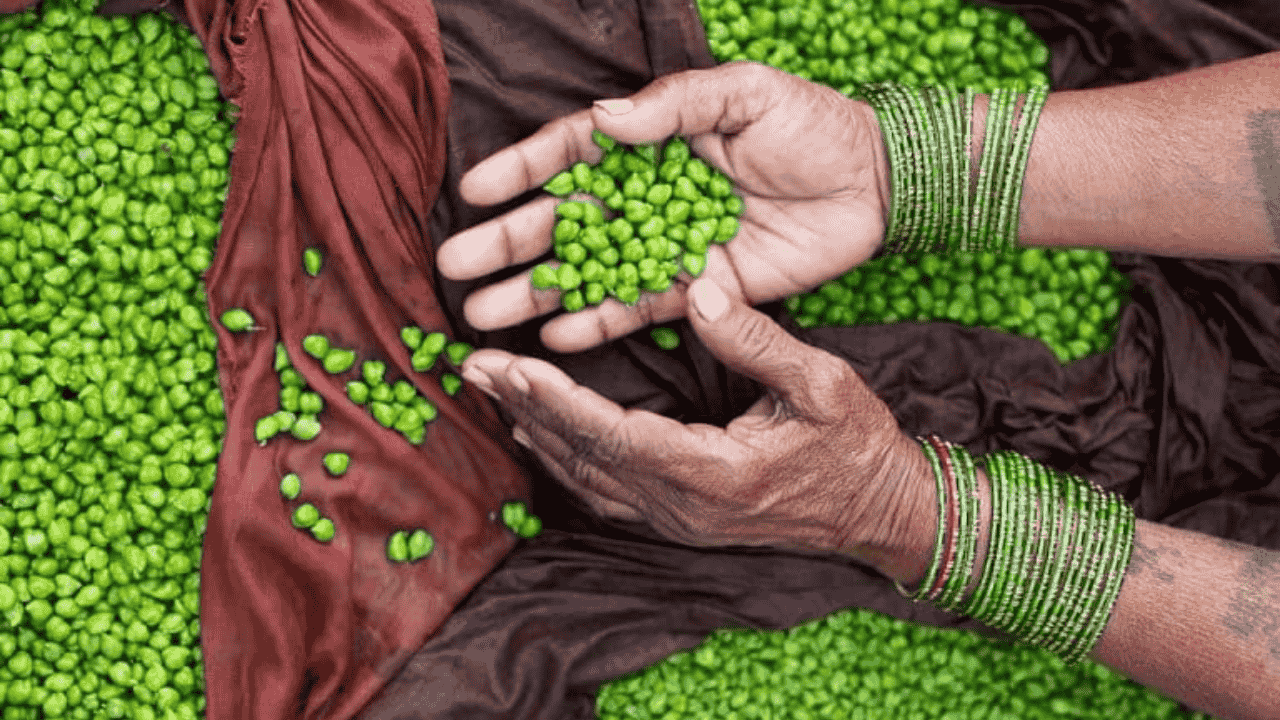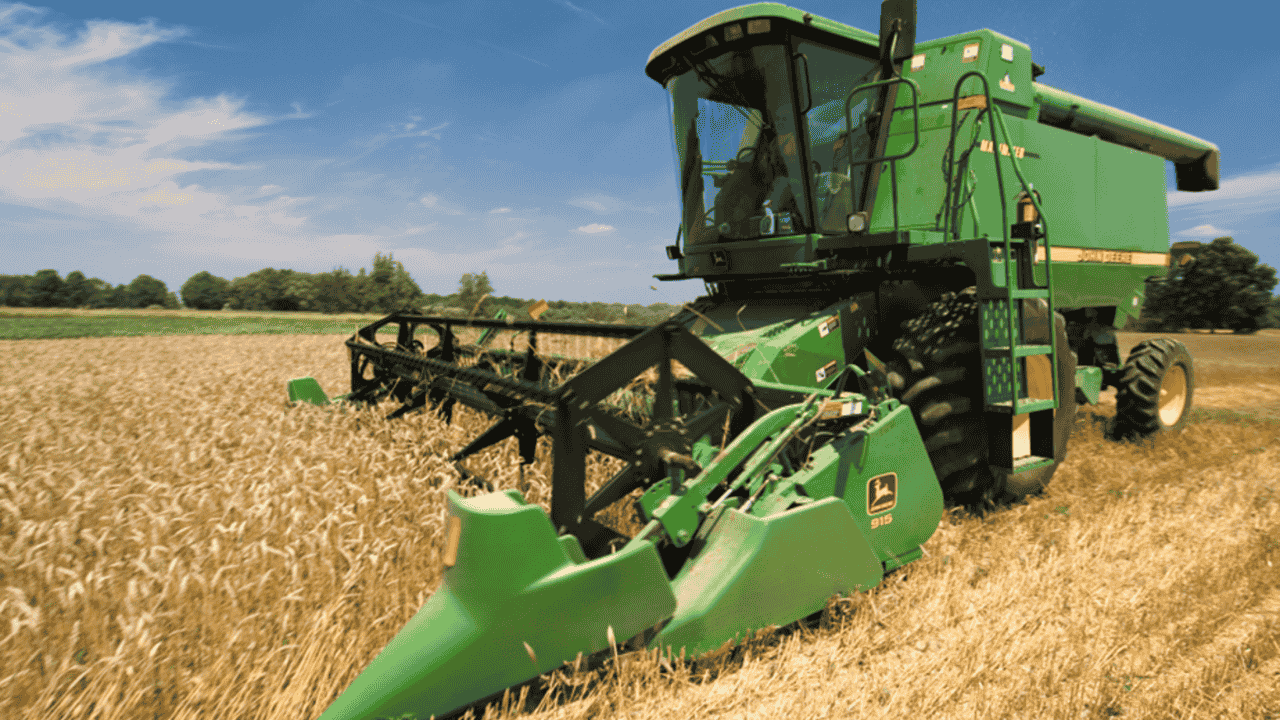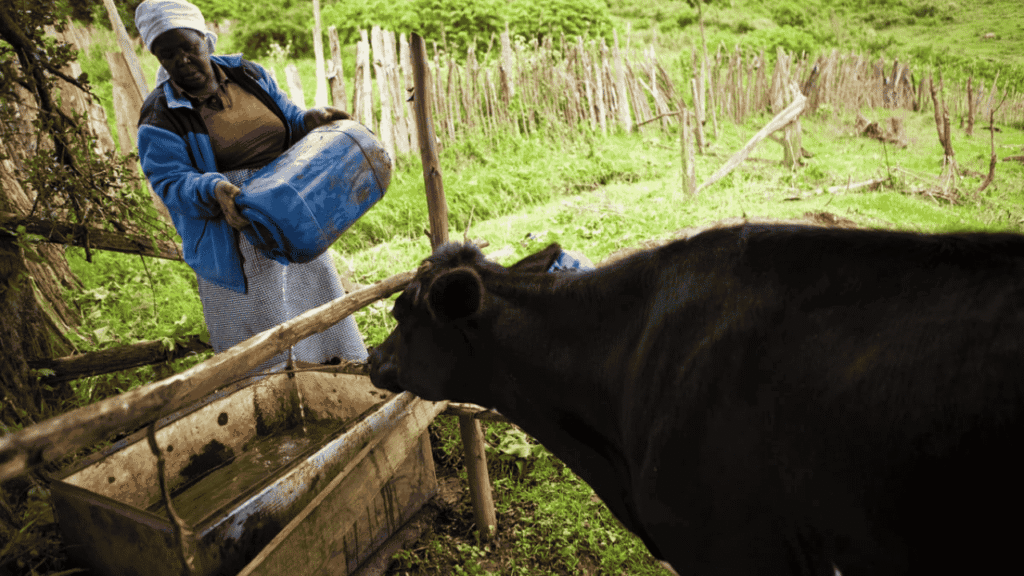
Crop-livestock integration (CLI) is a sustainable farming approach that combines crop cultivation with livestock rearing on the same farm or production system. This practice leverages the synergies between plants and animals, enhancing resource use efficiency, improving soil fertility, diversifying farm income, and promoting environmental sustainability. CLI systems are increasingly recognized as a key strategy for smallholder and commercial farmers to achieve resilient and productive agricultural operations.
By integrating livestock into cropping systems, farmers can utilize crop residues as animal feed, recycle manure as organic fertilizer, and reduce dependence on external inputs. This symbiotic relationship fosters nutrient cycling, soil health improvement, and efficient land utilization, making CLI a crucial tool for sustainable agriculture.
Table of Contents
Overview
| Aspect | Key Focus |
|---|---|
| Nutrient Cycling | Manure as fertilizer and crop residue utilization |
| Soil Fertility | Improved organic matter and nutrient availability |
| Income Diversification | Revenue from crops and livestock products |
| Resource Efficiency | Maximized use of land, water, and nutrients |
| Environmental Impact | Reduced chemical inputs and greenhouse gas emissions |
| Sustainability | Enhanced resilience and long-term farm productivity |
Nutrient Cycling and Soil Fertility
One of the main benefits of crop-livestock integration is enhanced nutrient cycling. Livestock manure is a valuable source of nitrogen, phosphorus, and potassium, which can be applied to fields to improve soil fertility.
Additionally, crop residues that are not harvested can serve as livestock feed, reducing waste and returning nutrients to the system in a closed-loop manner. This integrated nutrient management enhances soil organic matter, promotes microbial activity, and improves overall soil health.
Income Diversification
CLI systems provide multiple revenue streams for farmers. Crop production generates income from cereals, vegetables, or fodder, while livestock contributes milk, meat, eggs, and other animal products.
Diversification reduces the financial risks associated with market fluctuations, crop failure, or disease outbreaks. Farms practicing integration are more economically resilient, ensuring stable livelihoods and financial sustainability.
Resource Use Efficiency
Integrating crops and livestock maximizes resource use efficiency. Land is utilized for both grazing and crop production, water and nutrients are recycled, and crop residues and by-products are efficiently converted into animal feed.
This efficient use of resources reduces the need for synthetic fertilizers and purchased feed, lowering input costs and minimizing environmental impact. Integration promotes sustainable intensification, where productivity is increased without expanding farmland.
Environmental Sustainability
CLI systems contribute to environmental sustainability by reducing nutrient losses, lowering greenhouse gas emissions, and preventing soil degradation. Manure application improves soil structure and carbon content, while crop residues minimize erosion and enhance moisture retention.
By reducing reliance on chemical fertilizers and external feed, crop-livestock integration minimizes pollution and enhances biodiversity on the farm. This system aligns with climate-smart agriculture principles, promoting long-term ecosystem health.
Challenges of Crop-Livestock Integration
Despite its benefits, CLI systems face challenges such as manure management, disease transmission, land allocation conflicts, and labor requirements. Effective planning, rotation, and biosecurity measures are necessary to mitigate these challenges.
Farmers must consider livestock species, crop type, and seasonal requirements to design an integration system that optimizes productivity while maintaining soil health and farm profitability.
Case Studies and Best Practices
Successful CLI systems often combine leguminous crops with ruminant livestock to maximize nitrogen fixation and nutrient recycling. Grazing livestock on cover crops after harvest ensures residue utilization and improves soil fertility.
Additionally, rotational grazing, silvopasture, and intercropping with forage crops are best practices that enhance productivity, reduce environmental stress, and strengthen farm resilience.
The Way Forward
Crop-livestock integration systems are a highly effective strategy for improving soil fertility, enhancing resource efficiency, diversifying income, and promoting sustainable agriculture. By combining crop production with livestock rearing, farmers can achieve synergistic benefits that support both short-term productivity and long-term resilience. Effective integration requires careful planning, species selection, and nutrient management, but the outcomes include healthier soils, sustainable yields, and environmentally responsible farming systems.