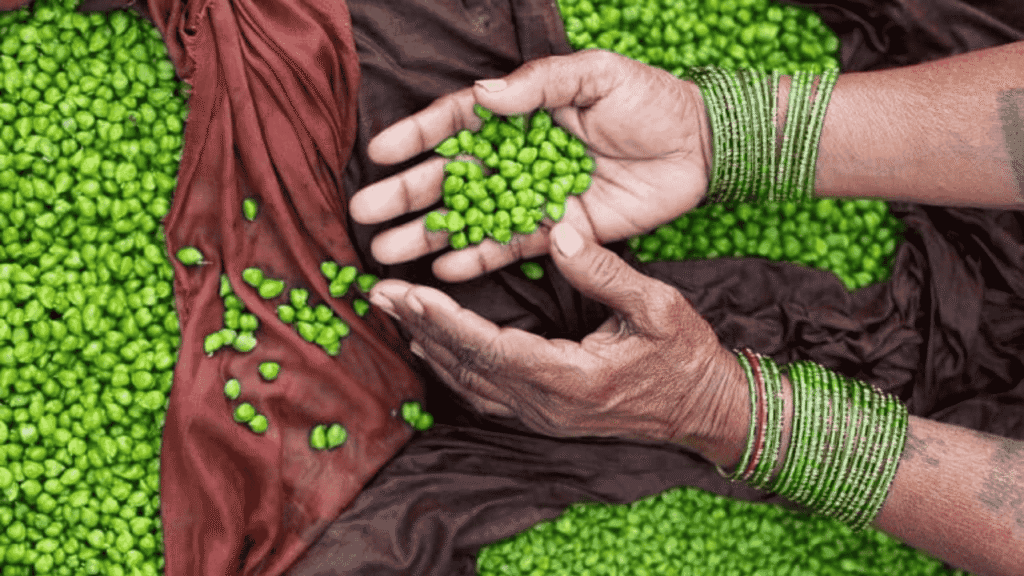
Chickpea is a vital legume crop in Turkey, serving as a major source of protein and essential nutrients for human consumption and animal feed. The genetic diversity of Turkish chickpea varieties plays a crucial role in crop improvement, adaptability, disease resistance, and yield stability. Preserving and understanding this diversity is essential for sustainable agriculture and food security in the region.
Turkey is considered one of the centers of chickpea origin, and its diverse agroecological zones support a wide range of landraces and modern cultivars. This genetic variability allows breeders to develop improved varieties that are resilient to environmental stresses, pests, and diseases, ensuring stable production under changing climatic conditions. Conservation and utilization of these genetic resources are, therefore, a cornerstone of chickpea breeding programs.
Table of Contents
Overview
| Aspect | Key Focus |
|---|---|
| Genetic Variation | Differences among landraces and modern cultivars |
| Disease Resistance | Breeding for Fusarium, Ascochyta, and other diseases |
| Abiotic Stress Tolerance | Drought, salinity, and temperature adaptability |
| Yield Potential | High-performing varieties for diverse environments |
| Conservation | Preservation of landraces and wild relatives |
| Breeding Programs | Utilizing diversity for cultivar development |
Landraces and Local Varieties
Turkey’s chickpea cultivation is rich in landraces, which are locally adapted varieties maintained by farmers over generations. These landraces exhibit a wide range of morphological traits, seed types, growth habits, and maturation periods.
The adaptability of landraces to diverse environmental conditions—such as arid regions of Central Anatolia or humid zones along the Black Sea coast—makes them invaluable for breeding programs. They also serve as reservoirs of disease resistance and stress tolerance traits that are essential for developing resilient cultivars.
Disease Resistance Traits
Chickpea production in Turkey is threatened by several fungal and bacterial diseases, including Fusarium wilt, Ascochyta blight, and Botrytis gray mold. Genetic diversity among Turkish chickpea varieties provides resistance genes that can be incorporated into breeding programs.
Breeding efforts utilizing diverse germplasm help develop cultivars that withstand disease pressure, reducing dependence on chemical fungicides and promoting sustainable production practices.
Adaptation to Abiotic Stresses
Climate variability poses challenges such as drought, high temperature, and soil salinity. Turkish chickpea varieties show varying degrees of tolerance to these stresses, and genetic diversity allows breeders to select and cross stress-resilient genotypes.
For example, landraces from semi-arid regions demonstrate deeper rooting systems and efficient water-use strategies, traits that are critical for enhancing yield stability under water-limited conditions.
Yield and Productivity
Genetic diversity influences the yield potential and quality of chickpea varieties. Different varieties vary in seed size, protein content, maturation time, and biomass production, which affects both farmer profitability and market suitability.
By evaluating diverse genotypes, breeders can identify high-performing varieties that combine high yield, nutritional quality, and environmental adaptability, ensuring better returns for farmers in different agroecological zones.
Conservation and Germplasm Management
Conserving genetic diversity is essential for long-term crop improvement. Turkey maintains chickpea germplasm collections in gene banks and research institutions, safeguarding both landraces and wild relatives.
These genetic resources provide a repository of traits that can be utilized in breeding programs to address future challenges, including climate change, emerging pests, and evolving diseases.
Breeding Programs and Utilization
Turkish chickpea breeding programs focus on crossing diverse landraces and modern cultivars to combine desirable traits. Molecular markers and genomic tools are increasingly used to identify and select for disease resistance, stress tolerance, and high yield.
The strategic use of genetic diversity ensures that new varieties are adapted to local conditions, productive, and resilient, supporting both food security and sustainable agriculture.
Wrapping Up
Genetic diversity in Turkish chickpea varieties is a key asset for crop improvement and sustainability. Landraces and modern cultivars provide essential traits for disease resistance, abiotic stress tolerance, and yield optimization. Conserving and effectively utilizing this diversity through breeding programs ensures resilient, high-quality chickpea production, supporting farmers, markets, and long-term food security in Turkey. Maintaining genetic variability remains critical for adapting to changing climates and sustaining agricultural productivity.