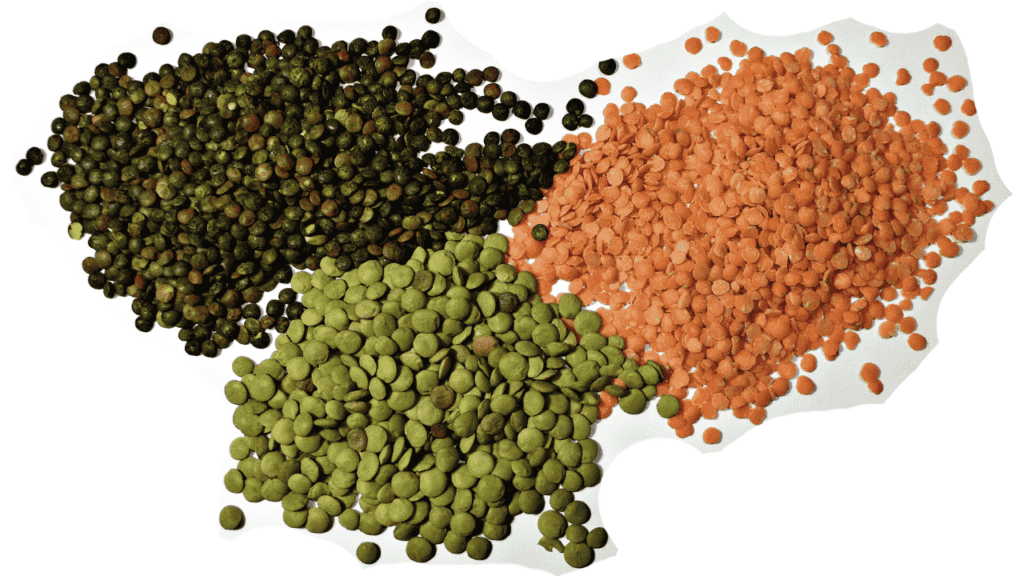
Lentil is an important legume crop, valued for its high protein content, nutritional value, and role in sustainable agriculture. Evaluating genetic variability in lentil populations is essential for crop improvement, breeding programs, and the development of high-yielding, disease-resistant, and climate-resilient varieties. Understanding the extent of genetic diversity allows breeders to select superior genotypes, maintain germplasm resources, and enhance the adaptability of lentils to diverse agro-climatic conditions.
Genetic variability assessment involves studying morphological traits, biochemical markers, and molecular characteristics of lentil populations. Identifying both intra- and inter-population diversity supports efficient breeding strategies and ensures long-term sustainability in lentil cultivation.
Table of Contents
Overview
| Aspect | Key Focus |
|---|---|
| Genetic Diversity | Morphological, biochemical, and molecular variation |
| Traits Evaluated | Plant height, pod number, seed size, flowering time |
| Breeding Applications | Selection of superior genotypes and hybridization |
| Disease Resistance | Identification of resistant lines |
| Abiotic Stress Tolerance | Drought, heat, and salinity adaptability |
| Sustainability | Plant height, pod number, seed size, and flowering time |
Morphological and Agronomic Variation
Morphological traits such as plant height, branch number, pod number, seed size, and flowering duration are primary indicators of genetic variability in lentil populations. These traits are crucial for evaluating yield potential, growth habit, and adaptability.
Studying variations among populations enables breeders to identify high-performing genotypes suitable for hybridization or direct cultivation. Morphological assessments are often combined with field trials to determine environmental interactions and stability of desirable traits.
Molecular and Biochemical Markers
Molecular markers such as RAPD, SSR, and SNPs provide precise information on genetic variability, enabling differentiation between closely related lentil genotypes. Biochemical markers, including protein and isozyme profiles, complement molecular data and help identify unique genetic resources.
These tools are essential for evaluating both inter- and intra-population diversity, facilitating the conservation of genetic resources and informed selection in breeding programs.
Disease Resistance and Stress Tolerance
Genetic variability assessment also identifies lentil genotypes with resistance to diseases like Fusarium wilt, Ascochyta blight, and root rot. Populations exhibiting natural resistance serve as valuable sources of resistance genes for breeding programs.
Similarly, variability in abiotic stress tolerance, such as drought, heat, and salinity, allows breeders to develop varieties that can thrive under challenging environmental conditions. Selecting tolerant genotypes ensures yield stability and food security in areas prone to climate stress.
Breeding Applications
Understanding genetic variability is critical for selecting parents for hybridization, ensuring that desirable traits are combined effectively. Crosses between genetically diverse lentil lines increase heterosis (hybrid vigor), resulting in improved yield, adaptability, and quality.
Additionally, marker-assisted selection can accelerate the development of superior lentil varieties by targeting specific genes associated with yield, quality, or stress tolerance, enhancing breeding efficiency and success rates.
Conservation of Germplasm
Evaluation of genetic variability supports the conservation of lentil germplasm in gene banks and research institutions. Maintaining diverse genetic resources safeguards rare alleles and landraces, providing a reservoir of traits for future breeding needs.
Conservation is particularly important in the face of climate change, emerging pests, and diseases, ensuring that genetic resources remain available for sustainable lentil cultivation.
Future Prospects
Future research focuses on integrating high-throughput phenotyping, genomic selection, and next-generation sequencing to assess genetic variability more accurately. Advanced bioinformatics tools allow breeders to identify key genes and loci responsible for yield, quality, and stress tolerance efficiently.
Combining molecular data with field performance ensures that new lentil varieties are both productive and resilient, supporting long-term food security and sustainable agricultural practices.
Closing Perspectives
Evaluating genetic variability in lentil populations is fundamental for breeding, conservation, and crop improvement. Morphological, biochemical, and molecular assessments provide insights into trait diversity, disease resistance, and stress tolerance. Leveraging this variability enables the development of high-yielding, resilient, and adaptable lentil varieties, ensuring sustainable production and food security. Maintaining diverse genetic resources is essential to support future breeding programs and address challenges posed by climate change and evolving agricultural demands.