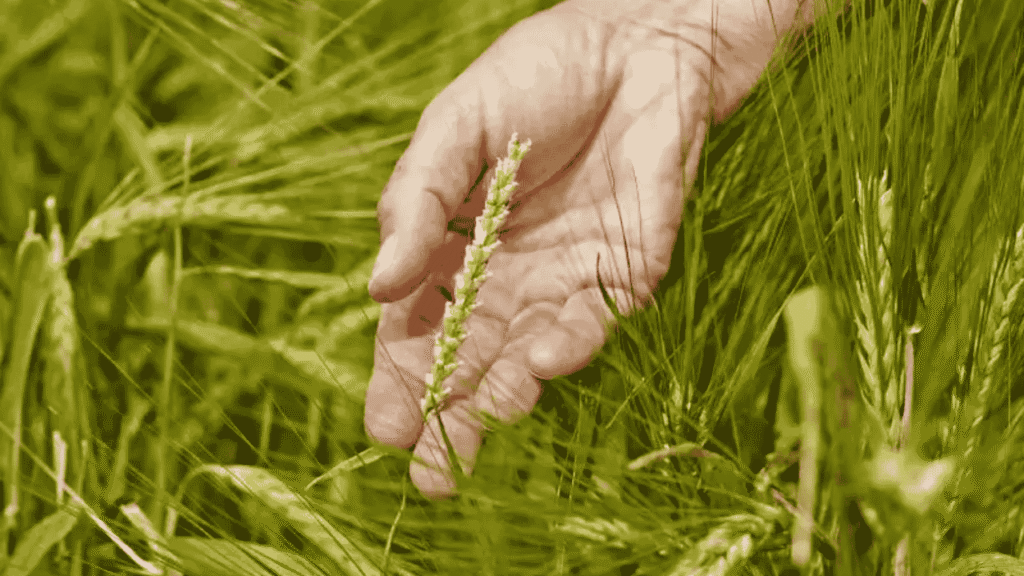
Barley is a versatile cereal crop cultivated for food, feed, and malting purposes. Protein content is a critical quality parameter, especially for feed and nutritional applications. Developing high-protein barley varieties involves combining traditional breeding techniques with modern molecular tools to achieve enhanced nutritional value without compromising yield or adaptability. Understanding and implementing effective breeding strategies ensures that barley meets both agronomic and market demands.
Barley protein content is influenced by genetic factors, environmental conditions, and management practices. Breeding programs focus on identifying high-protein genotypes, selecting superior parents, and applying hybridization, molecular selection, and advanced genomic approaches to produce improved cultivars suited to diverse agro-climatic zones.
Table of Contents
Overview
| Aspect | Key Focus |
|---|---|
| Protein Traits | Seed protein content, amino acid composition |
| Breeding Approaches | Conventional crossbreeding, molecular-assisted selection |
| Parental Selection | High-protein lines and elite cultivars |
| Genetic Tools | QTL mapping, molecular markers, genomic selection |
| Yield Considerations | Balancing protein content with productivity |
| Sustainability | Reducing inputs and improving nutritional quality |
Selection of Parental Lines
The first step in breeding high-protein barley involves identifying genotypes with naturally elevated protein levels. These parental lines are evaluated for grain quality, adaptability, disease resistance, and yield potential.
Crossing high-protein lines with elite cultivars ensures that the progeny combine superior nutritional content with desirable agronomic traits. Careful parental selection is essential to maintain a balance between protein enrichment and overall crop performance.
Conventional Breeding Techniques
Traditional breeding strategies, such as hybridization and recurrent selection, are widely used to improve protein content. Hybridization between genetically diverse parents increases heterozygosity and variability, providing a larger pool of traits to select from.
Recurrent selection over successive generations allows breeders to stabilize high-protein traits while simultaneously enhancing yield, disease resistance, and environmental adaptability. These methods remain the foundation of barley improvement programs.
Molecular and Genomic Approaches
Modern breeding incorporates molecular markers, quantitative trait loci (QTL) mapping, and genomic selection to enhance protein content efficiently. Molecular markers linked to protein-associated genes enable marker-assisted selection (MAS), reducing breeding cycles and increasing accuracy.
Genomic selection predicts the performance of breeding lines based on genome-wide markers, allowing breeders to select high-protein genotypes early in the breeding program. These approaches accelerate cultivar development while maintaining quality and productivity.
Balancing Protein Content and Yield
High protein content often comes at the cost of reduced yield due to resource allocation trade-offs. Breeding strategies aim to optimize both traits by selecting genotypes that maintain high protein levels without compromising grain weight or biomass production.
Integrating multi-trait selection indices and evaluating progeny across multiple environments ensures that new varieties perform consistently under diverse field conditions, supporting both nutrition and farmer profitability.
Stress Tolerance and Adaptability
Environmental factors, such as drought, heat, and nutrient availability, influence protein accumulation in barley. Breeding programs target genotypes that maintain high protein content under abiotic stress, ensuring stable nutritional quality.
Additionally, selecting for disease resistance and adaptability enhances yield stability and reduces dependency on chemical inputs, supporting sustainable barley production.
Integration with Agronomic Practices
Genetic improvement should be complemented with appropriate agronomic practices to maximize protein expression. Fertilization, planting density, and irrigation management influence protein accumulation in grains.
Combining genetically improved varieties with optimized agronomic practices ensures that high-protein barley achieves its full potential, contributing to improved feed and food quality.
Research Directions
Future strategies focus on genome editing, CRISPR/Cas-based modifications, and high-throughput phenotyping to fine-tune protein content in barley. Understanding gene networks controlling nitrogen metabolism and protein synthesis allows for precise enhancement of grain quality.
Collaboration between molecular biologists, breeders, and agronomists will accelerate the development of high-protein, high-yield, and climate-resilient barley varieties, meeting growing nutritional and industrial demands.
Future Implications
Breeding high-protein barley varieties requires a comprehensive approach combining conventional and modern techniques. Selection of superior parental lines, hybridization, molecular-assisted selection, and genomic tools enable the development of cultivars that deliver enhanced nutritional quality without sacrificing yield or adaptability. Integrating stress tolerance, agronomic management, and cutting-edge genomic research ensures the creation of sustainable, high-protein barley varieties, supporting food security, livestock nutrition, and global agricultural sustainability.