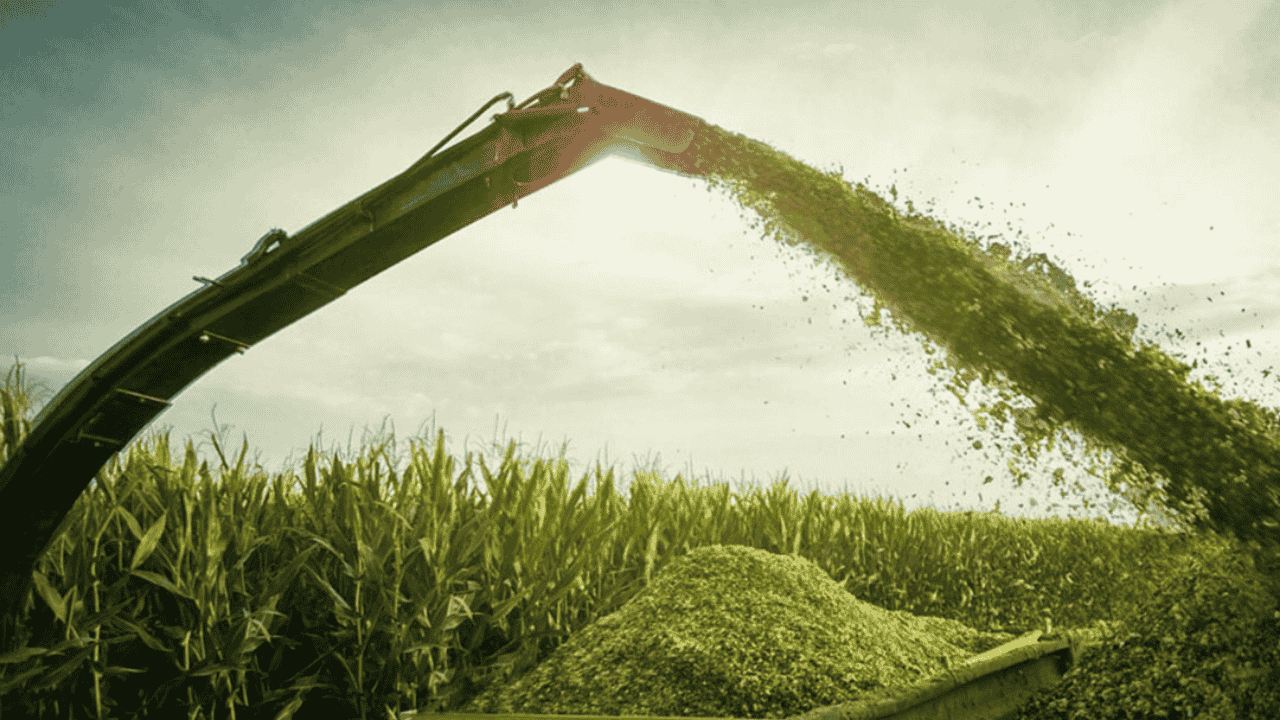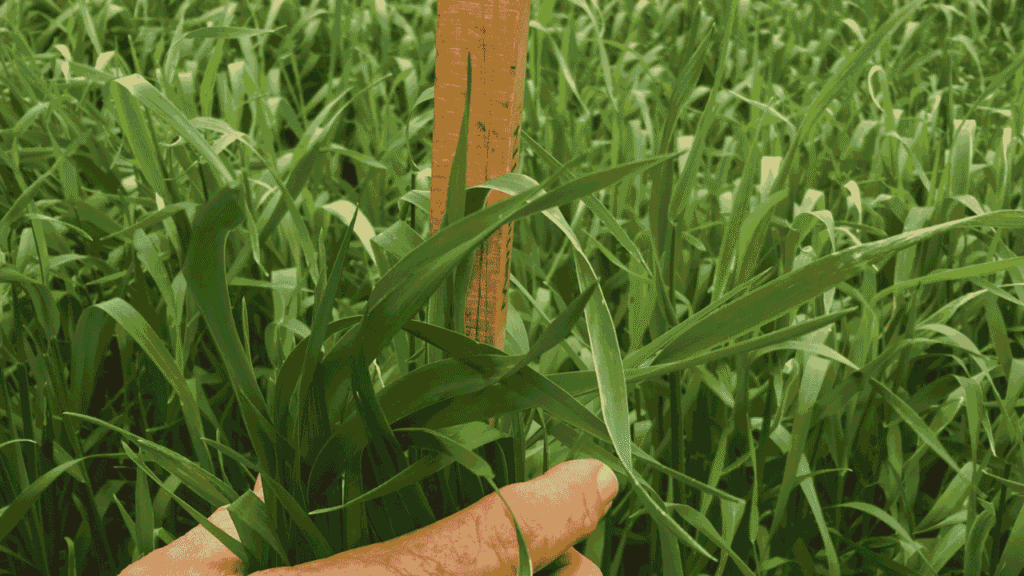
Forage quality is a critical factor in livestock nutrition, directly influencing animal growth, milk production, and overall health. Grass species vary widely in their nutrient content, digestibility, and palatability, which affects their suitability for different types of livestock systems. Evaluating forage quality helps farmers, breeders, and agronomists select the most productive and nutritious grasses for pastures, silage, or hay production. This assessment combines chemical analysis, biological testing, and field performance evaluation.
Understanding forage quality also informs pasture management decisions, including fertilization, irrigation, and grazing strategies. High-quality forage can reduce the need for supplemental feeding, lowering production costs and improving sustainability. Regular evaluation allows adaptation to changing environmental conditions and ensures consistent feed quality throughout the year.
Table of Contents
Overview: Forage Quality Parameters
| Parameter | Description |
|---|---|
| Crude Protein | Indicates nitrogen content and nutritional value |
| Fiber Content | Affects digestibility and intake (ADF/NDF) |
| Digestibility | Measures energy availability from forage |
| Mineral Content | Calcium, phosphorus, magnesium, and trace elements |
| Palatability | Livestock preference for the forage species |
Nutrient Composition
The nutrient composition of grass species is a primary determinant of forage quality. Crude protein, fiber fractions, and mineral content vary significantly among species. For example, legumes typically provide higher protein levels than grasses, while warm-season grasses often contain more fiber and are less digestible. Evaluating these parameters helps identify grasses that meet the nutritional requirements of target livestock.
In addition to chemical composition, environmental factors such as soil fertility, climate, and stage of maturity influence nutrient levels. Younger plants generally contain higher protein and lower fiber, whereas mature plants have higher lignin content, reducing digestibility. Therefore, assessing forage at different growth stages is essential for accurate quality evaluation.
Digestibility Assessment
Digestibility is a key factor determining the energy value of forage. It is influenced by fiber content, lignin concentration, and plant structure. Laboratory methods, such as in vitro dry matter digestibility (IVDMD) and in situ rumen incubation, are commonly used to measure how much of the forage can be broken down by livestock.
High digestibility improves feed efficiency and animal performance, especially for dairy and meat production. Grass species like ryegrass and fescue often exhibit higher digestibility than tall grasses like switchgrass. Incorporating digestibility measurements into forage evaluation allows for better selection of grass species for specific livestock systems.
Species Comparison
- Cool-Season Grasses: Ryegrass, timothy, and orchardgrass are high in protein and digestibility, suitable for dairy and young livestock.
- Warm-Season Grasses: Bermuda grass, napier, and guinea grass are more drought-tolerant but higher in fiber and lower in protein.
- Legume-Grass Mixtures: Combining grasses with clover or alfalfa improves overall nutrient balance and palatability.
- Native Grasses: Adapted to local conditions, these species may have lower nutrient content but require minimal management.
Comparing species allows producers to match forage types to livestock requirements and environmental conditions. Mixed-species pastures often offer improved intake, nutrient availability, and seasonal coverage.
Palatability Factors
- Leaf-to-Stem Ratio: Higher leaf content generally improves palatability and intake.
- Maturity Stage: Younger plants are more palatable due to lower fiber content.
- Secondary Compounds: The presence of tannins or saponins can reduce intake or digestibility.
- Texture and Taste: Livestock show preferences for softer, greener, and sweeter-tasting forages.
Palatability affects grazing behavior and feed efficiency. Monitoring animal preference alongside nutrient evaluation provides a holistic view of forage quality for practical livestock management.
Environmental Influence
Environmental conditions significantly impact forage quality. Soil type, nutrient availability, water stress, and temperature influence growth rate, fiber accumulation, and protein synthesis in grasses. For instance, nitrogen fertilization increases protein content, while drought conditions reduce digestibility.
Understanding these environmental interactions allows farmers to implement management practices that optimize forage quality. Irrigation, rotational grazing, and soil amendments can help maintain nutrient-rich pastures, even under challenging conditions.
Evaluation Methods
- Chemical Analysis: Measures crude protein, fiber, lignin, and minerals in laboratory tests.
- Biological Testing: Includes animal feeding trials and in vitro digestibility assessments.
- Field Observations: Evaluates growth patterns, yield, and seasonal persistence.
- Remote Sensing Tools: Emerging technologies like NIRS (Near-Infrared Spectroscopy) enable rapid, non-destructive quality assessment.
Combining these methods provides a comprehensive forage evaluation, guiding decisions for species selection and pasture management.
Moving Forward
Evaluating forage quality across grass species is essential for sustainable and productive livestock systems. By assessing nutrient composition, digestibility, palatability, and environmental adaptability, farmers can select the best species to meet livestock needs. Improved forage management enhances animal performance, reduces feeding costs, and contributes to resilient agricultural systems. Regular monitoring and adoption of innovative evaluation methods will ensure optimal pasture productivity and nutrition for diverse livestock operations.