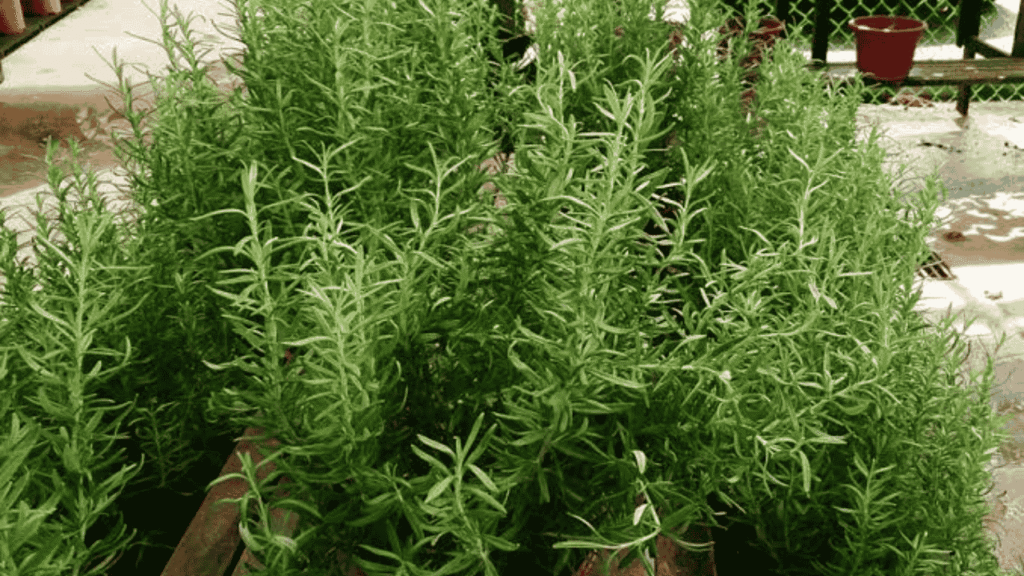
Rosemary (Rosmarinus officinalis) is a widely cultivated aromatic herb known for its culinary, medicinal, and industrial applications. One of the most valuable characteristics of rosemary is its high antioxidant content, which helps prevent oxidative damage in cells and contributes to human health. Different rosemary cultivars vary in their concentration of antioxidant compounds, such as phenolics, flavonoids, and rosmarinic acid, affecting both their therapeutic potential and commercial value.
Evaluating antioxidant properties across cultivars is essential for selecting superior varieties for food preservation, nutraceuticals, and herbal medicine. These assessments guide breeders, growers, and industries in producing high-quality rosemary with maximum bioactive potential.
Table of Contents
Rosemary Cultivars and Antioxidant Activity
| Cultivar | Total Phenolic Content (mg GAE/g) | Key Antioxidants | DPPH Scavenging Activity (%) |
|---|---|---|---|
| Tuscan Blue | 120–135 | Rosmarinic acid, carnosic acid | 70–75 |
| Arp | 100–115 | Rosmarinic acid, flavonoids | 65–70 |
| Salem | 90–105 | Carnosic acid, caffeic acid | 60–65 |
| Hill Hardy | 85–100 | Rosmarinic acid, phenolic acids | 55–60 |
| Spice Island | 95–110 | Flavonoids, carnosol | 60–68 |
Varietal Differences in Antioxidants
Different rosemary cultivars exhibit significant variation in antioxidant content due to genetic factors. Tuscan Blue is renowned for its high levels of rosmarinic acid and carnosic acid, contributing to superior free radical scavenging activity. Arp and Spice Island also provide strong antioxidant profiles, suitable for both culinary and medicinal applications.
These differences highlight the importance of cultivar selection based on the intended use, whether for food preservation, nutraceutical extraction, or essential oil production. Genetic selection remains a key tool for enhancing antioxidant traits in rosemary breeding programs.
Influence of Cultivation Practices
- Soil Fertility: Nutrient-rich soils enhance phenolic synthesis and overall antioxidant content.
- Water Management: Moderate water stress can sometimes increase secondary metabolite production, boosting antioxidant activity.
- Sunlight Exposure: Full sun promotes photosynthesis and the accumulation of bioactive compounds.
- Plant Density: Adequate spacing ensures proper air circulation and reduces competition for light, supporting uniform antioxidant accumulation.
Optimizing cultivation practices helps maintain high antioxidant levels and consistent bioactive profiles across rosemary crops.
Harvesting and Plant Maturity
Antioxidant compounds in rosemary vary with plant maturity. Maximum phenolic content is often observed during full flowering, when secondary metabolite synthesis peaks. Early harvesting may result in lower antioxidant activity, while delayed harvesting can lead to degradation of sensitive compounds due to environmental stress.
Timing harvests carefully ensures the highest concentration of bioactive compounds, improving the efficacy and market value of rosemary-based products.
Extraction Methods
- Ethanolic or Methanolic Extraction: Commonly used for laboratory analysis of antioxidant activity.
- Essential Oil Distillation: Steam distillation preserves volatile compounds with antioxidant properties.
- Supercritical CO₂ Extraction: Offers high yield of carnosic acid and other bioactives without solvent residues.
- Infusion and Decoction: Traditional methods for culinary and herbal applications retain significant antioxidant activity.
The choice of extraction method affects both yield and antioxidant efficacy, making it critical for industrial and research applications.
Health and Industrial Applications
High-antioxidant rosemary cultivars are used to combat oxidative stress in the human body, offering potential benefits for cardiovascular health, cognitive function, and cancer prevention. In the food industry, rosemary extracts act as natural preservatives, extending shelf life by preventing lipid oxidation.
Selecting cultivars with superior antioxidant profiles ensures product efficacy, whether in pharmaceuticals, dietary supplements, cosmetics, or culinary applications. The market demand for natural antioxidants continues to grow, highlighting the economic importance of high-performing rosemary cultivars.
Closing Perspectives
Antioxidant properties vary widely among rosemary cultivars, influenced by genetics, cultivation practices, harvest timing, and extraction methods. Cultivars like Tuscan Blue and Arp offer high phenolic content and strong radical scavenging activity, making them ideal for both industrial and health-related applications. By selecting superior cultivars and optimizing production practices, growers and industries can maximize the therapeutic, preservative, and economic value of rosemary while contributing to sustainable aromatic herb cultivation.