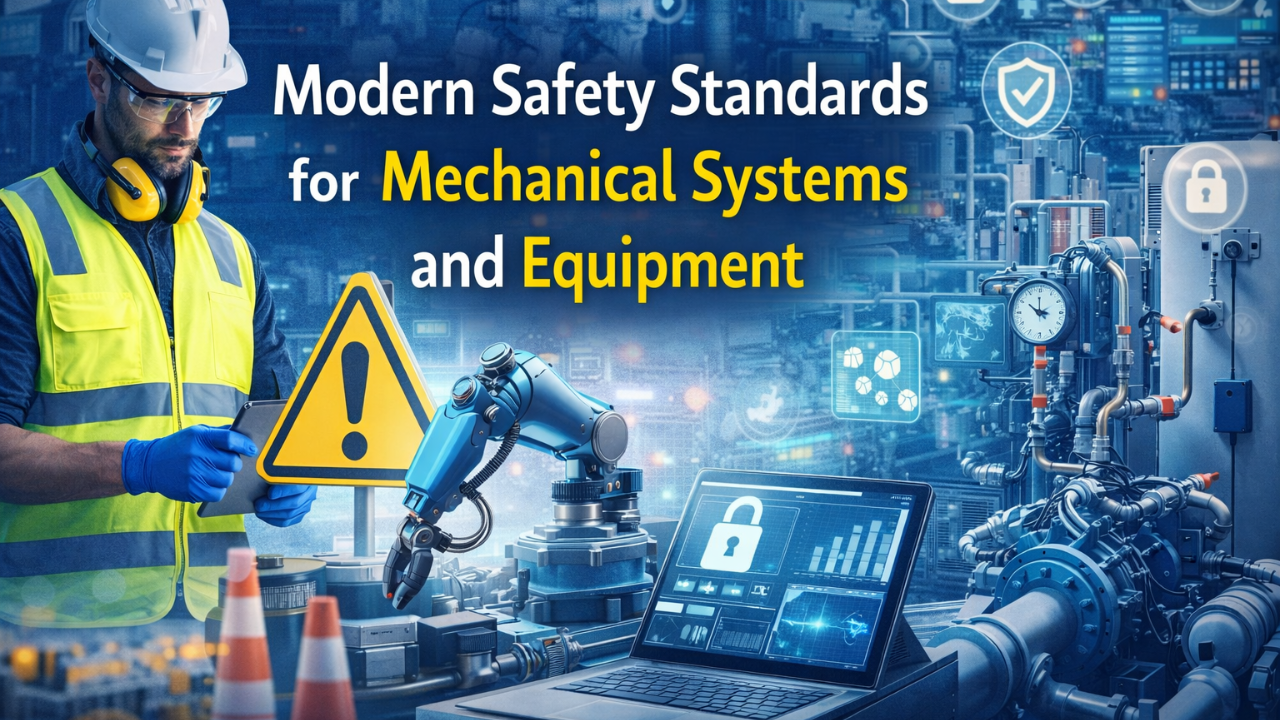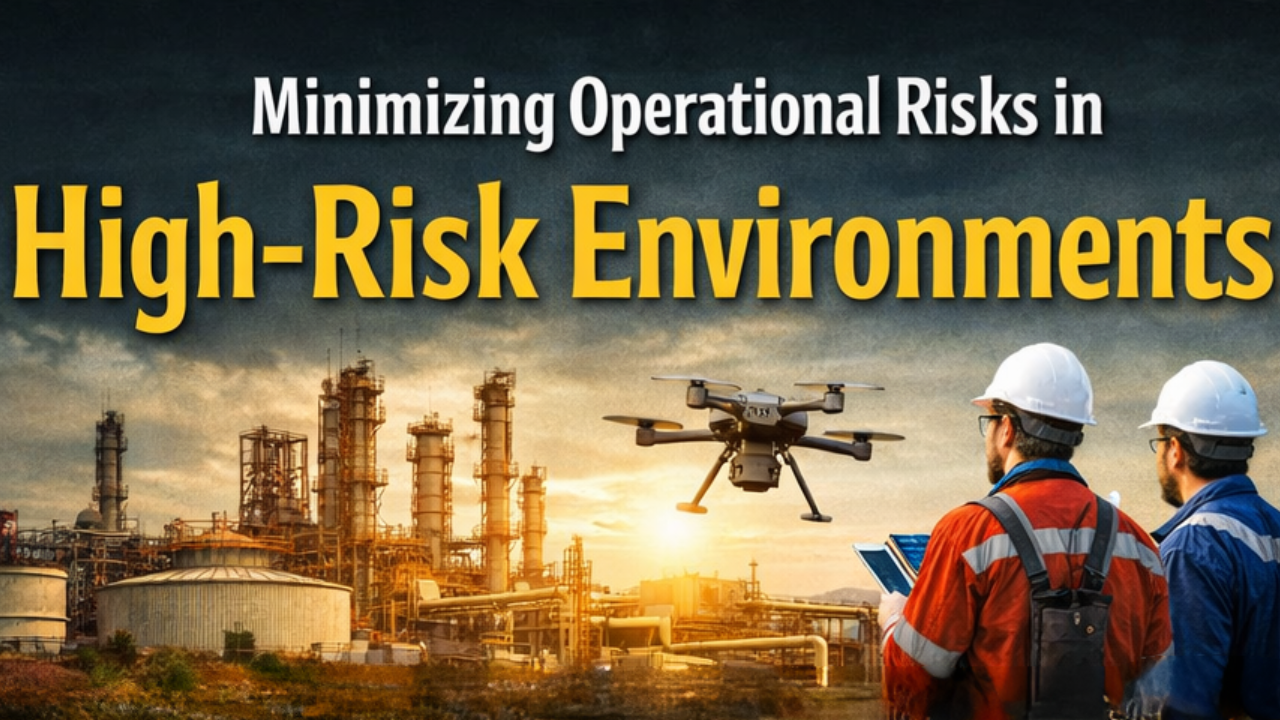
Industrial risk management is undergoing rapid transformation in 2025 as organizations face increasingly complex operational, technological, and environmental threats. From cyberattacks on critical infrastructure to stricter regulatory expectations and climate-related disruptions, industries must rethink how they identify, assess, and mitigate risks. This article explores the key challenges shaping industrial risk management today and how businesses can respond effectively.
Table of Contents
1. Rising Cybersecurity Threats in Industrial Systems
One of the most pressing challenges in 2025 is the growing vulnerability of industrial systems to cyberattacks. With the expansion of Industrial Internet of Things (IIoT) devices and connected infrastructure, operational technology (OT) environments are more exposed than ever.
Hackers are increasingly targeting manufacturing plants, energy grids, and supply chain systems. Ransomware attacks and data breaches can halt operations, compromise safety, and result in significant financial losses.
The challenge lies in securing legacy systems that were not originally designed for connectivity, while also integrating modern cybersecurity protocols. Organizations must invest in robust monitoring systems, employee training, and incident response strategies.
2. Integration of AI and Automation Risks
Artificial intelligence and automation are transforming industrial processes, but they also introduce new risks. Automated systems can fail, produce unexpected outcomes, or be manipulated if not properly controlled.
In 2025, many industries will rely on AI for predictive maintenance, quality control, and operational efficiency. However, overdependence on algorithms without proper human oversight can lead to critical errors.
Another challenge is the lack of transparency in AI decision-making. When systems operate as “black boxes,” it becomes difficult to identify the root cause of failures or ensure accountability.
3. Supply Chain Disruptions and Global Uncertainty
Global supply chains remain fragile due to geopolitical tensions, trade restrictions, and economic volatility. Industries are facing delays in raw material procurement, increased costs, and unpredictable demand patterns.
In 2025, risk managers must account for multiple layers of uncertainty, including regional conflicts, transportation bottlenecks, and dependency on limited suppliers.
Building resilient supply chains requires diversification, real-time tracking, and strategic stockpiling. However, implementing these measures often increases operational costs, creating a delicate balance between efficiency and resilience.
4. Climate Change and Environmental Risks
Climate-related risks are becoming a central concern in industrial operations. Extreme weather events such as floods, heatwaves, and storms can disrupt production, damage infrastructure, and endanger workers.
In addition, industries face increasing pressure to reduce their environmental impact. Regulatory bodies are enforcing stricter emissions standards and sustainability requirements.
The challenge in 2025 is twofold: adapting to the physical impacts of climate change while also transitioning to greener practices. This requires significant investment in sustainable technologies and risk mitigation strategies.
5. Regulatory Complexity and Compliance Burden
Industrial organizations must navigate an increasingly complex regulatory landscape. Governments and international bodies are introducing new standards related to safety, environmental protection, data privacy, and labor practices.
Compliance is no longer a one-time effort but an ongoing process that requires continuous monitoring and adaptation. Non-compliance can result in heavy fines, legal consequences, and reputational damage.
For many companies, especially those operating across multiple regions, keeping up with evolving regulations is a major challenge. It demands dedicated compliance teams and advanced tracking systems.
6. Workforce Challenges and Skill Gaps
The industrial workforce is evolving, and with it comes a significant skills gap. As technologies become more advanced, there is a growing demand for professionals with expertise in data analysis, cybersecurity, and automation.
At the same time, experienced workers are retiring, taking valuable institutional knowledge with them. Training new employees to handle complex systems and risk scenarios is both time-consuming and costly.
In 2025, organizations must invest in continuous learning programs and upskilling initiatives to ensure their workforce can effectively manage modern industrial risks.
7. Data Overload and Risk Assessment Complexity
With the proliferation of sensors, monitoring tools, and digital platforms, industries are generating massive amounts of data. While this data can enhance risk assessment, it also creates challenges.
The difficulty lies in filtering relevant information, identifying meaningful patterns, and making timely decisions. Poor data management can lead to missed warning signs or incorrect risk evaluations.
Companies must adopt advanced analytics tools and develop clear frameworks for data interpretation to turn information into actionable insights.
8. Balancing Cost and Risk Mitigation
Implementing comprehensive risk management strategies often requires significant financial investment. From upgrading infrastructure to adopting new technologies, the costs can be substantial.
Organizations must balance the need for safety and resilience with budget constraints. Over-investment can reduce profitability, while under-investment can expose the company to severe risks.
In 2025, decision-makers are increasingly relying on risk-based approaches to prioritize investments and allocate resources effectively.
Conclusion
Industrial risk management in 2025 is more complex than ever, driven by technological advancements, environmental challenges, and global uncertainties. Organizations must adopt a proactive and integrated approach to address these risks effectively.
By investing in cybersecurity, embracing sustainable practices, strengthening supply chains, and developing skilled workforces, industries can navigate these challenges and build long-term resilience. The key lies in adaptability, continuous learning, and strategic planning.
FAQs
1. What is industrial risk management?
Industrial risk management involves identifying, assessing, and mitigating risks that could impact industrial operations, including safety, financial, environmental, and technological risks.
2. Why is cybersecurity important in industrial environments?
Cybersecurity is crucial because industrial systems are increasingly connected, making them vulnerable to attacks that can disrupt operations and compromise safety.
3. How does climate change affect industrial risk?
Climate change leads to extreme weather events and stricter environmental regulations, both of which can impact operations and increase compliance requirements.