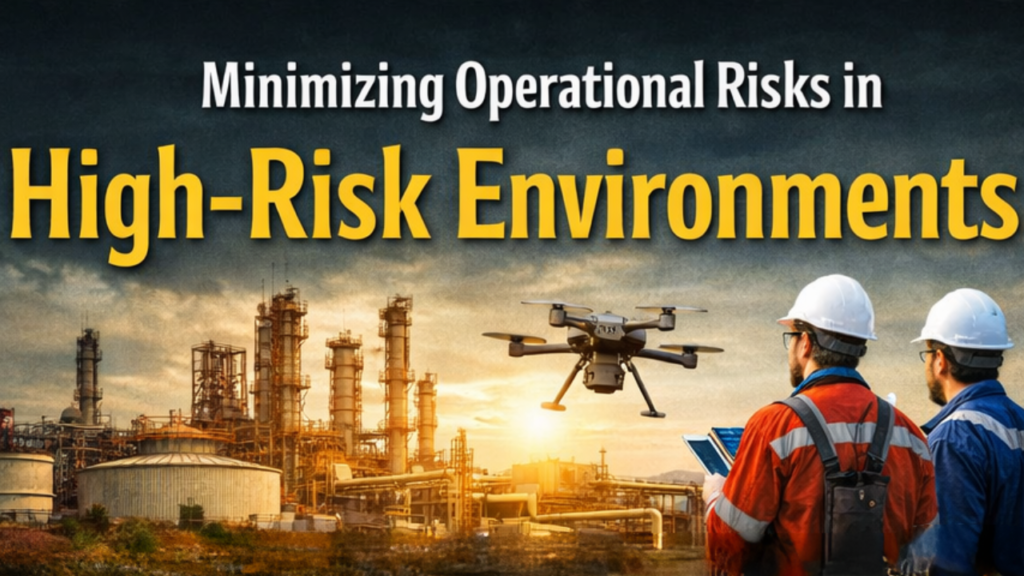
Operating in high-risk environments—such as oil and gas facilities, mining sites, chemical plants, and large-scale manufacturing units—requires companies to adopt rigorous strategies to minimize operational risks. These environments are often characterized by hazardous materials, complex machinery, and challenging working conditions, making risk management a top priority.
In 2025, companies are leveraging advanced technologies, robust safety protocols, and proactive planning to reduce risks and ensure both worker safety and operational continuity.
Table of Contents
Understanding Operational Risks in High-Risk Environments
Operational risks refer to potential losses resulting from failed internal processes, human error, system breakdowns, or external events. In high-risk industries, these risks can lead to severe consequences, including workplace injuries, environmental damage, financial losses, and reputational harm.
Common sources of operational risk include:
- Equipment failure
- Human error
- Process inefficiencies
- Cybersecurity threats
- Environmental hazards
Understanding these risks is the first step toward building effective mitigation strategies.
1. Implementing Strong Safety Protocols
Safety protocols form the backbone of risk management in hazardous environments. Companies establish strict guidelines to ensure that all operations are conducted safely and efficiently.
These protocols include:
- Standard Operating Procedures (SOPs)
- Emergency response plans
- Regular safety drills
- Use of personal protective equipment (PPE)
By enforcing these measures, organizations can significantly reduce the likelihood of accidents and ensure quick responses when incidents occur.
2. Leveraging Advanced Technologies
Technology plays a crucial role in minimizing operational risks. In 2025, companies are increasingly adopting tools such as:
- Internet of Things (IoT) sensors for real-time monitoring
- Artificial intelligence for predictive maintenance
- Drones for site inspections
- Automation to reduce human exposure to hazards
These technologies help detect potential issues early, allowing companies to take preventive action before problems escalate.
3. Continuous Training and Workforce Development
Human error remains one of the leading causes of operational risks. To address this, companies invest heavily in employee training and development.
Training programs focus on:
- Safety awareness
- Equipment handling
- Emergency response procedures
- Risk identification and reporting
Regular refresher courses and simulations ensure that employees remain prepared to handle high-risk situations effectively.
4. Predictive Maintenance and Asset Management
Equipment failure can lead to catastrophic outcomes in high-risk environments. Predictive maintenance uses data analytics and monitoring systems to identify signs of wear and tear before failures occur.
Benefits include:
- Reduced downtime
- Lower maintenance costs
- Improved equipment lifespan
- Enhanced safety
By maintaining assets proactively, companies can avoid unexpected breakdowns and ensure smooth operations.
5. Strengthening Risk Assessment Frameworks
A comprehensive risk assessment framework allows organizations to identify, evaluate, and prioritize risks systematically.
Key components include:
- Hazard identification
- Risk analysis and evaluation
- Implementation of control measures
- Regular audits and reviews
These frameworks help companies stay ahead of potential threats and adapt to changing conditions.
6. Enhancing Cybersecurity Measures
As industrial operations become more digitized, cybersecurity risks are increasing. A cyberattack can disrupt operations, compromise sensitive data, and even cause physical damage in automated systems.
To mitigate these risks, companies:
- Implement secure network architectures
- Conduct regular security audits
- Train employees on cyber awareness
- Use advanced threat detection systems
Strong cybersecurity practices are essential for protecting both digital and physical assets.
7. Emergency Preparedness and Crisis Management
Despite preventive measures, incidents can still occur. Effective emergency preparedness ensures that companies can respond quickly and minimize damage.
This involves:
- Developing crisis management plans
- Establishing communication protocols
- Conducting regular emergency drills
- Coordinating with local authorities
Preparedness not only reduces the impact of incidents but also helps in faster recovery.
8. Building a Risk-Aware Organizational Culture
A strong safety culture is critical for long-term risk management success. Companies encourage employees at all levels to take responsibility for safety and risk prevention.
This includes:
- Open communication about risks
- Encouraging reporting of hazards
- Recognizing safe practices
- Leadership commitment to safety
When risk awareness becomes part of the organizational culture, it leads to more proactive and effective risk management.
Conclusion
Minimizing operational risks in high-risk environments requires a comprehensive and proactive approach. Companies must combine advanced technologies, strong safety protocols, continuous training, and effective risk assessment strategies to ensure safe and efficient operations.
In 2025, the most successful organizations are those that prioritize resilience, adaptability, and a culture of safety. By doing so, they not only protect their workforce and assets but also enhance their long-term sustainability and performance.
FAQs
1. What are high-risk environments in industries?
High-risk environments include industries like oil and gas, mining, construction, and chemical manufacturing, where operations involve significant safety hazards.
2. How does technology help reduce operational risks?
Technology enables real-time monitoring, predictive maintenance, and automation, which help identify and prevent potential issues before they occur.
3. Why is employee training important in risk management?
Training reduces human error, improves safety awareness, and ensures employees are prepared to handle emergencies effectively.