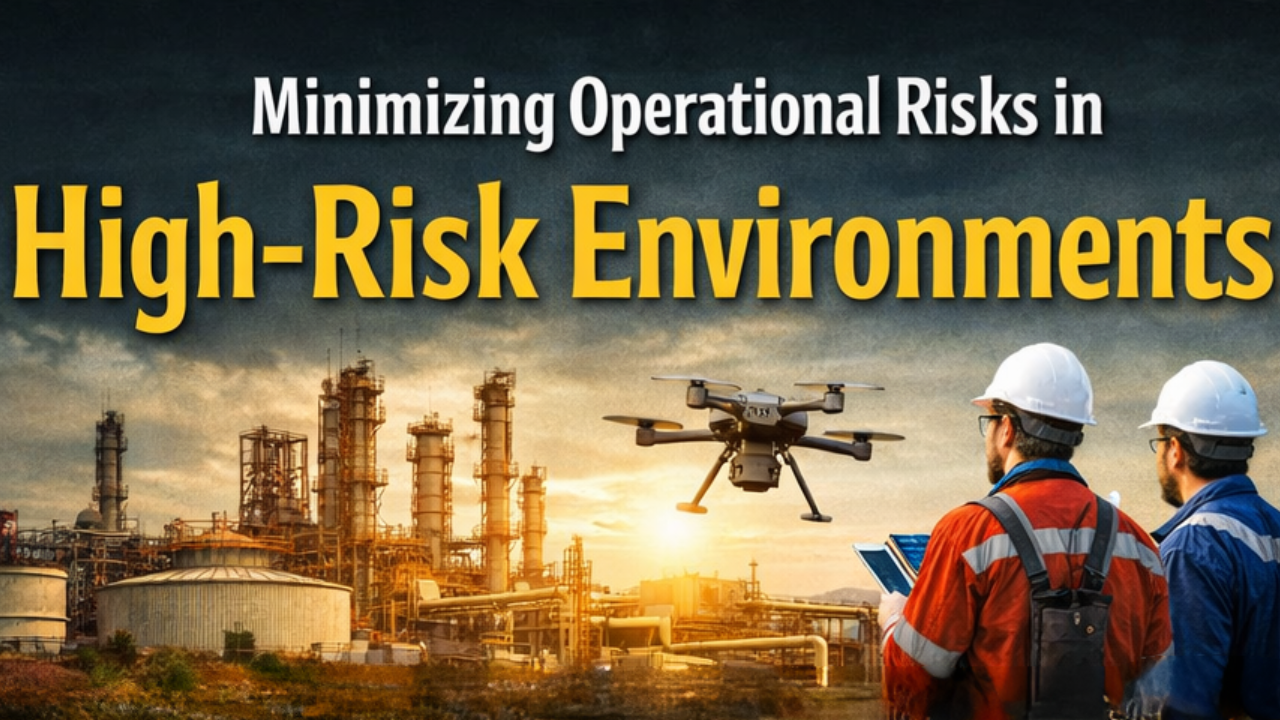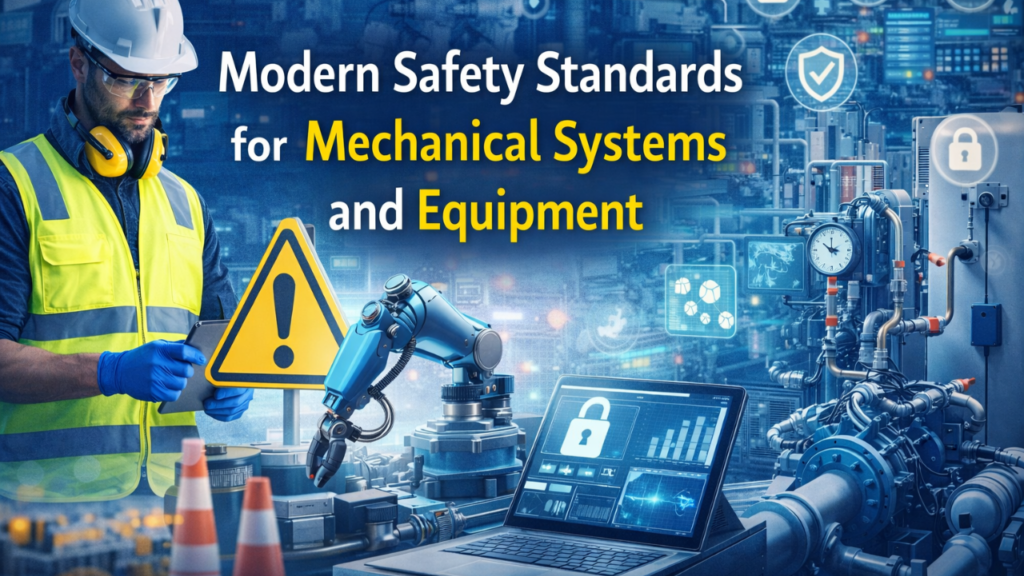
In today’s industrial landscape, safety is no longer just a regulatory requirement—it is a critical component of operational efficiency and sustainability. Mechanical systems and equipment are integral to industries such as manufacturing, construction, energy, and transportation. However, without proper safety standards, these systems can pose serious risks to workers, assets, and the environment. Modern safety standards have evolved significantly, incorporating advanced technologies, stricter regulations, and a proactive approach to risk management.
Table of Contents
Understanding Mechanical Safety Standards
Mechanical safety standards are a set of guidelines and regulations designed to ensure that machinery operates safely throughout its lifecycle. These standards cover design, installation, operation, maintenance, and decommissioning.
Organizations such as the International Organization for Standardization and the Occupational Safety and Health Administration play a key role in developing and enforcing these standards. They provide frameworks that help industries minimize hazards and maintain compliance with safety requirements.
Key Components of Modern Safety Standards
1. Risk Assessment and Hazard Analysis
Modern safety practices begin with thorough risk assessments. Engineers identify potential hazards, evaluate their severity, and implement measures to mitigate them. Techniques such as Failure Mode and Effects Analysis (FMEA) and Hazard and Operability Study (HAZOP) are commonly used.
This proactive approach ensures that risks are addressed during the design phase rather than after accidents occur.
2. Machine Guarding and Safety Devices
Machine guarding is one of the most fundamental aspects of mechanical safety. Guards, barriers, and protective enclosures prevent workers from coming into contact with moving parts.
Advanced safety devices, such as emergency stop systems, interlocks, and sensors, add an extra layer of protection. These systems automatically shut down machinery when unsafe conditions are detected.
3. Functional Safety Systems
Functional safety focuses on ensuring that systems respond correctly to inputs, especially during failures. Standards like IEC 61508 and ISO 13849 define requirements for safety-related control systems.
These systems use redundancy, fail-safe mechanisms, and real-time monitoring to maintain safe operation. For example, if a sensor fails, the system automatically switches to a safe state to prevent accidents.
4. Ergonomic Design
Modern safety standards also emphasize ergonomics—the design of equipment to fit human capabilities and limitations. Poorly designed machinery can lead to operator fatigue, errors, and injuries.
Ergonomic improvements include adjustable controls, user-friendly interfaces, and reduced physical strain. These enhancements not only improve safety but also boost productivity.
Role of Automation and Smart Technologies
The integration of automation and smart technologies has revolutionized mechanical safety. Industrial systems now use sensors, artificial intelligence (AI), and the Internet of Things (IoT) to monitor equipment in real time.
Predictive maintenance is a key innovation. By analyzing data from sensors, systems can detect early signs of wear or failure and schedule maintenance before breakdowns occur. This reduces downtime and prevents accidents.
Smart safety systems can also provide instant alerts, enabling quick response to potential hazards.
Compliance and Regulatory Requirements
Compliance with safety standards is essential for legal and operational reasons. Governments and regulatory bodies enforce strict guidelines to ensure workplace safety.
Failure to comply can result in penalties, legal action, and reputational damage. More importantly, it can lead to serious injuries or fatalities.
Regular audits, inspections, and certifications help organizations maintain compliance. Training programs for employees are also crucial, ensuring that workers understand safety protocols and procedures.
Challenges in Implementing Safety Standards
Despite their importance, implementing modern safety standards can be challenging. High costs of advanced safety systems may deter small and medium-sized enterprises. Additionally, integrating new technologies with existing equipment can be complex.
Another challenge is keeping up with evolving regulations and technological advancements. Continuous updates and training are required to maintain compliance and effectiveness.
Human factors also play a role. Even with advanced systems, improper use or lack of awareness can lead to accidents. Therefore, fostering a strong safety culture is essential.
Benefits of Modern Safety Standards
Investing in safety standards offers numerous benefits:
- Reduced Workplace Accidents: Minimizes injuries and fatalities.
- Improved Productivity: Safe environments enhance worker efficiency.
- Lower Maintenance Costs: Preventive measures reduce equipment damage.
- Regulatory Compliance: Avoids legal penalties and ensures smooth operations.
- Enhanced Reputation: Demonstrates commitment to employee well-being.
These benefits highlight that safety is not just a cost but a valuable investment.
Future Trends in Mechanical Safety
The future of mechanical safety lies in greater integration of digital technologies. AI-driven safety systems, digital twins, and advanced robotics will further enhance risk management.
Wearable devices for workers, such as smart helmets and sensors, will provide real-time monitoring of health and safety conditions. These innovations will create a more connected and responsive safety ecosystem.
Sustainability will also play a role, with safety standards increasingly addressing environmental impacts alongside worker protection.
Conclusion
Modern safety standards for mechanical systems and equipment are essential for ensuring safe and efficient industrial operations. By combining traditional safety practices with advanced technologies, organizations can effectively manage risks and protect their workforce.
While challenges remain, the benefits of implementing robust safety measures far outweigh the costs. As industries continue to evolve, a strong commitment to safety will be key to achieving long-term success and resilience.