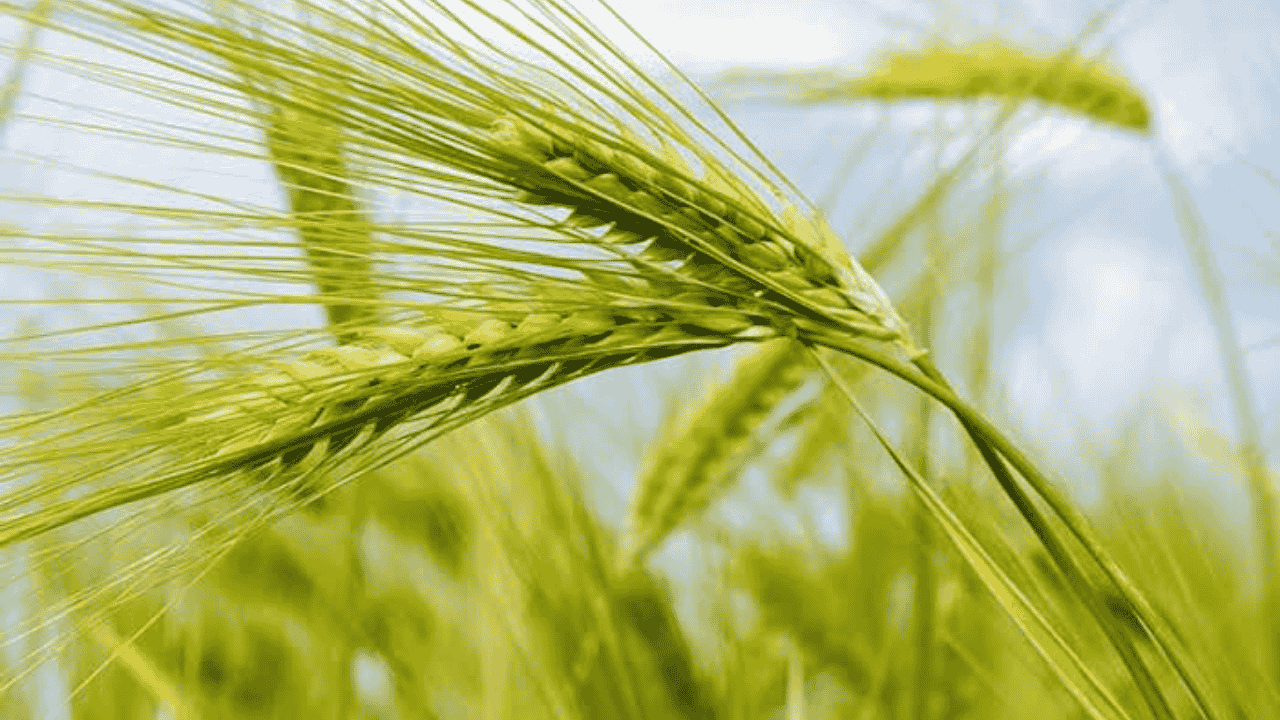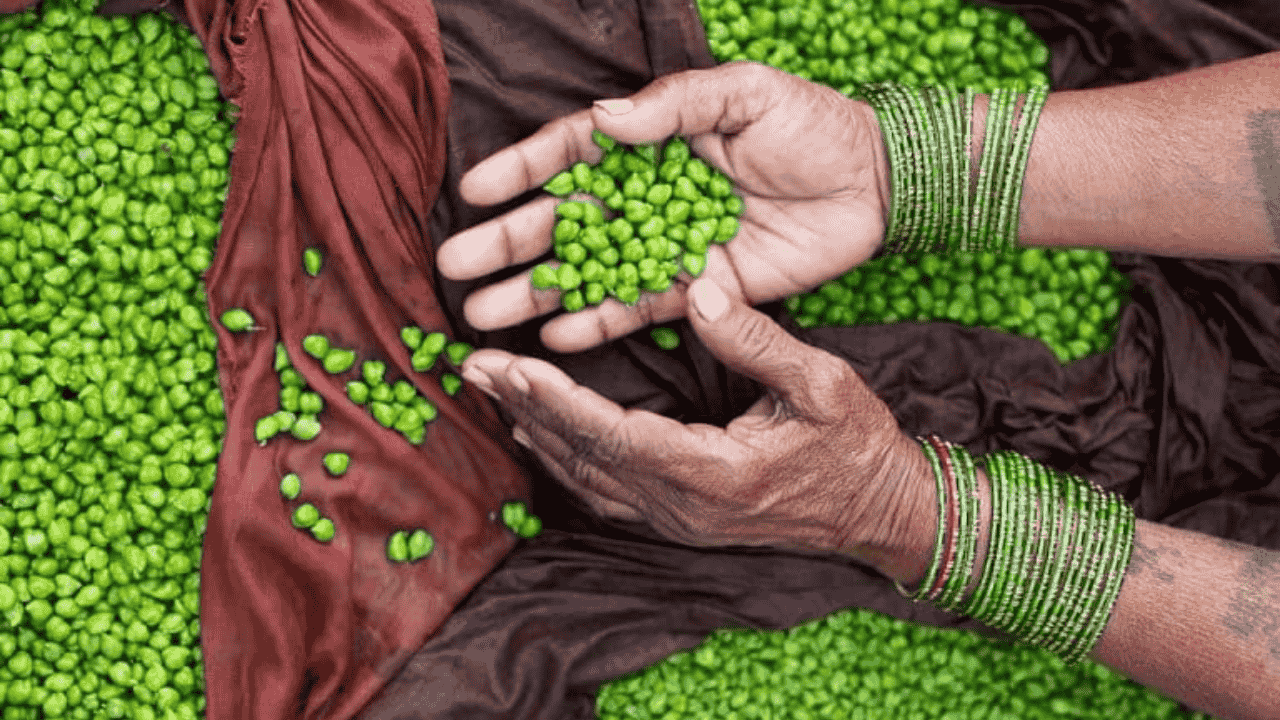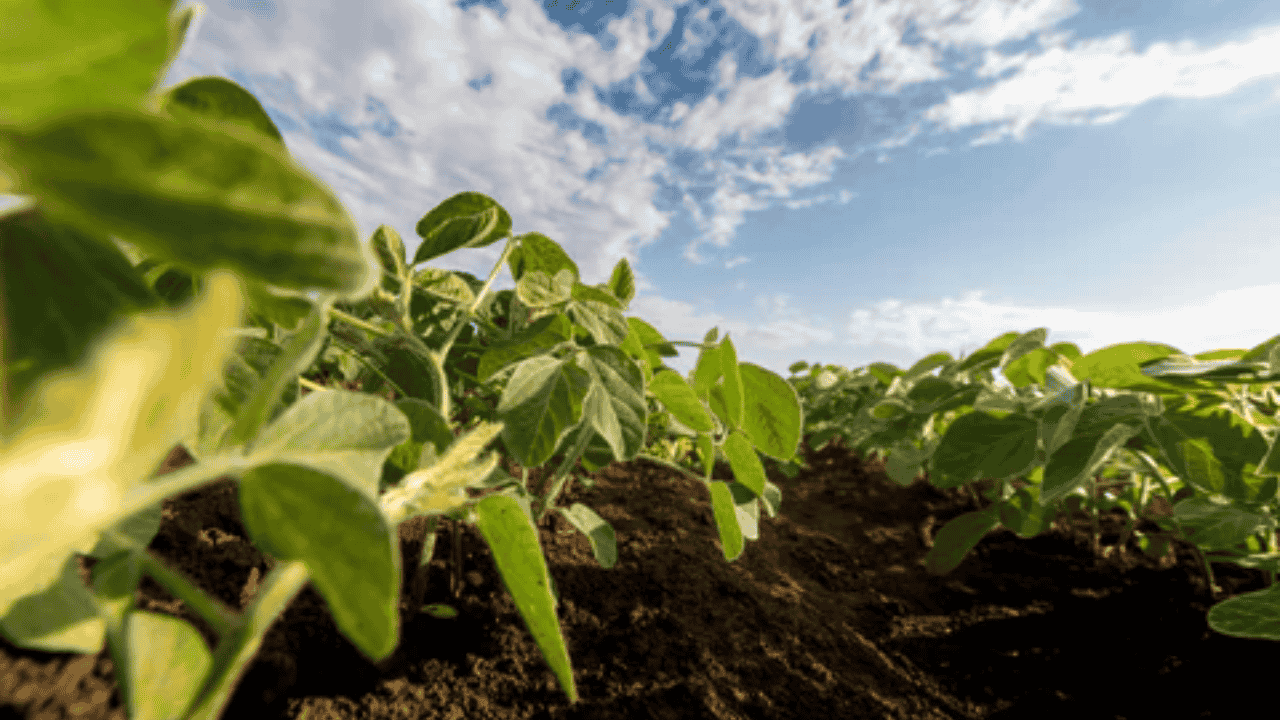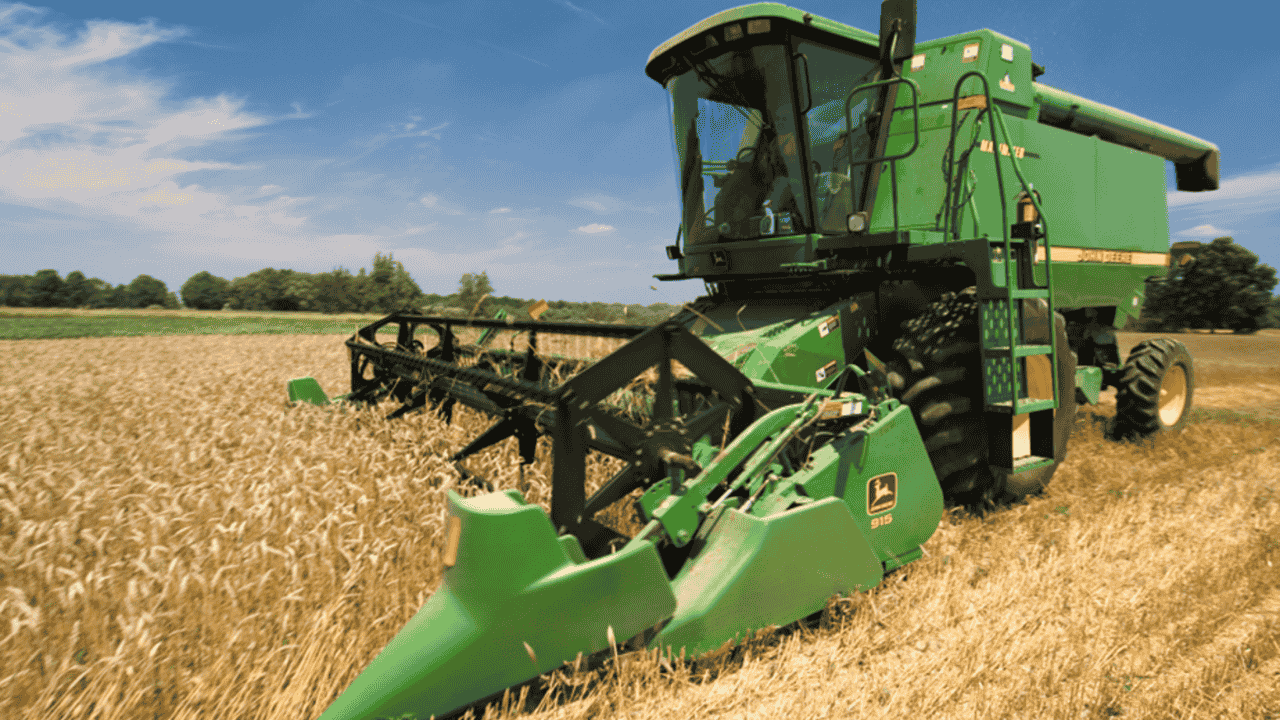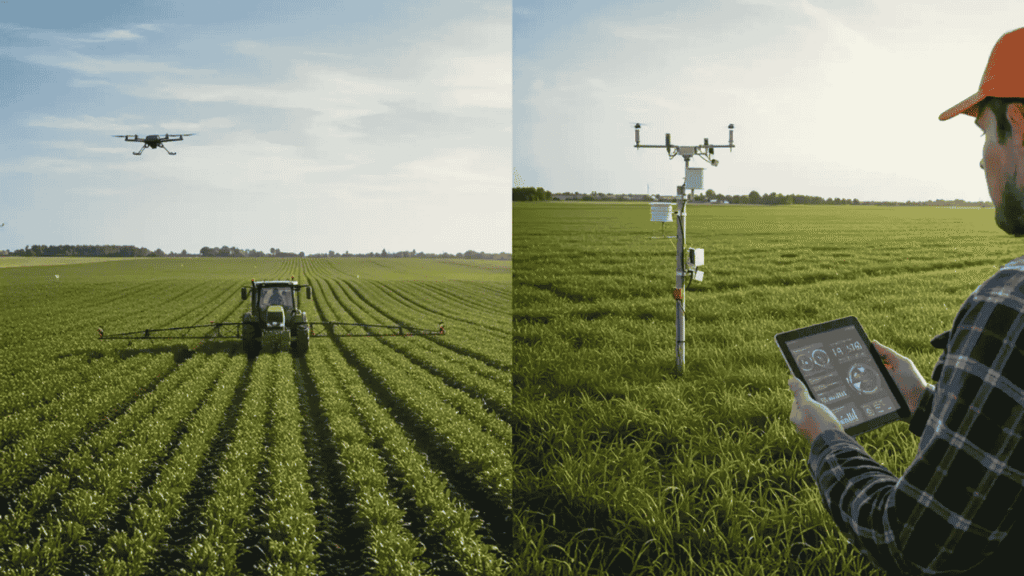
Precision agriculture has revolutionized modern farming by allowing farmers to optimize field management using technology and data-driven practices. For field crops such as wheat, maize, barley, and soybeans, precision agriculture improves yield, resource use efficiency, and sustainability. By leveraging tools like GPS, sensors, drones, and data analytics, farmers can make informed decisions about irrigation, fertilization, pest management, and planting strategies.
The adoption of precision agriculture reduces input costs, minimizes environmental impact, and enhances crop performance. It allows for targeted interventions, ensuring that resources are applied where they are most needed rather than uniformly across the field. These advancements are particularly significant for large-scale farming and areas facing resource constraints, helping farmers achieve consistent productivity and sustainability.
Table of Contents
Overview
| Aspect | Key Focus |
|---|---|
| Soil Monitoring | Real-time data on moisture, nutrients, and pH |
| Variable Rate Technology | Optimized fertilizer and pesticide application |
| Remote Sensing | Drones and satellites for crop health monitoring |
| Irrigation Management | Precision scheduling and water use efficiency |
| Yield Prediction | Data-driven forecasting and decision-making |
| Sustainability | Reduced chemical use and environmental impact |
Soil Monitoring and Analysis
Advanced soil monitoring technologies provide real-time information on soil moisture, nutrient levels, and pH. Sensors placed in fields continuously collect data, which is analyzed to guide irrigation and fertilization decisions.
This approach prevents over-application of fertilizers, reduces nutrient runoff, and ensures that crops receive the exact nutrients they need. Maintaining optimal soil health is essential for improving crop yield and quality while minimizing environmental risks.
Variable Rate Technology
Variable Rate Technology (VRT) allows precise application of fertilizers, pesticides, and seeds based on field-specific requirements. GPS-guided machinery adjusts the input rate in real time, reducing waste and ensuring uniform crop growth.
By applying the right amount of resources to each section of the field, VRT enhances productivity, lowers input costs, and improves overall efficiency. It also helps in managing heterogeneous soils, where nutrient requirements may vary across the farm.
Remote Sensing and Drones
Remote sensing using drones, satellites, and multispectral cameras allows farmers to monitor crop health, detect stress, and identify pest or disease outbreaks early. High-resolution imagery provides insights into canopy density, chlorophyll content, and water stress.
This technology enables farmers to intervene proactively, reducing yield losses and optimizing input use. Remote sensing data can also feed into predictive models for better crop management decisions.
Precision Irrigation Management
Water scarcity is a major challenge in agriculture, especially in semi-arid regions. Precision irrigation systems use soil moisture sensors, weather data, and automated irrigation schedules to deliver water efficiently.
Targeted irrigation improves water use efficiency, prevents overwatering, and reduces nutrient leaching. Crops receive water according to their growth stage and stress levels, ensuring optimal development and yield.
Yield Prediction and Data Analytics
Data collected from sensors, drones, and farm management systems enables accurate yield predictions and performance analysis. Farmers can forecast expected production, identify underperforming zones, and adjust management practices accordingly.
Predictive analytics also help in resource planning, market decisions, and risk management, making farming more profitable and sustainable.
Sustainability Benefits
Precision agriculture promotes environmentally responsible farming. Optimizing input use, it reduces chemical runoff, conserves water, and lowers greenhouse gas emissions. The combination of technology and data-driven practices supports long-term soil health, biodiversity, and climate resilience in field crop production.
Adopting precision agriculture ensures that modern farming is both productive and sustainable, meeting the growing food demand without depleting natural resources.
Moving Forward
Advancements in precision agriculture have transformed field crop management by enabling data-driven, targeted, and efficient farming practices. Through soil monitoring, variable rate technology, remote sensing, precision irrigation, and predictive analytics, farmers can maximize yield, improve crop quality, and reduce environmental impact. Implementing these technologies supports sustainable, resource-efficient agriculture while enhancing profitability and resilience, making precision agriculture a key component of modern farming strategies.