Farming practices have evolved to address both productivity and sustainability, leading to the adoption of conventional and no-till systems. Conventional tillage involves plowing, harrowing, and preparing the soil before planting, while no-till farming minimizes soil disturbance by planting seeds directly into undisturbed soil. Understanding the comparative advantages and limitations of these systems is essential for farmers seeking higher yields, improved soil health, and sustainable resource management.
Both systems influence soil structure, moisture retention, nutrient cycling, and crop productivity differently. The choice between conventional and no-till practices depends on factors such as climate, soil type, crop rotation, equipment availability, and long-term sustainability goals. Evaluating the impacts of these approaches helps farmers make informed decisions to optimize yield and preserve soil health.
Table of Contents
Overview
| Aspect | Conventional Tillage | No-Till Farming |
|---|---|---|
| Soil Disturbance | High, plowing and harrowing | Minimal, seeds planted in undisturbed soil |
| Weed Control | Relies on mechanical disruption | May require herbicides or cover crops |
| Soil Erosion | Higher risk | Reduced erosion due to residue cover |
| Soil Moisture | More evaporation | Better moisture retention |
| Labor & Fuel | Higher input | Lower input and cost savings |
| Soil Health | Can degrade the structure over time | Improves organic matter and microbial activity |
| Yield Impact | Often higher short-term yield | High, plowing, and harrowing |
Soil Disturbance and Structure
Conventional tillage significantly alters soil structure by breaking up soil aggregates, improving initial seedbed preparation, but often leading to compaction and erosion over time. Frequent plowing can disrupt soil microbial communities and reduce organic matter content.
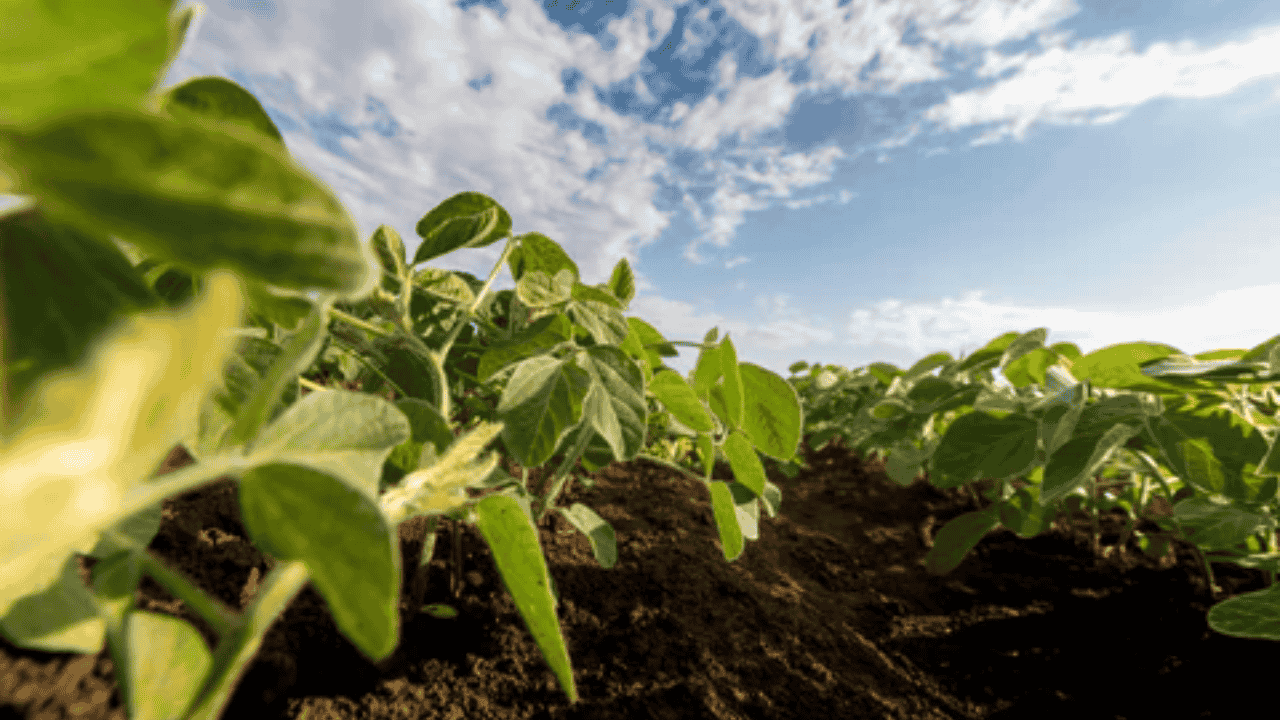
In contrast, no-till farming preserves soil structure, maintaining aggregates, pores, and microbial habitats. By leaving crop residues on the surface, no-till systems enhance organic matter and improve long-term soil fertility, creating a healthier environment for crop roots and beneficial organisms.
Weed and Pest Management
Conventional tillage naturally controls weeds by uprooting them during plowing, reducing the immediate need for herbicides. However, it may not prevent the long-term emergence of weed species adapted to frequent disturbance.
No-till farming requires alternative strategies, such as cover crops, crop rotation, and targeted herbicide applications, to manage weeds effectively. Integrated pest management in no-till systems can reduce the reliance on chemicals while maintaining productivity.
Soil Moisture and Erosion Control
No-till systems are highly effective in conserving soil moisture. Residues on the soil surface reduce evaporation, enhance water infiltration, and protect against runoff. This is particularly beneficial in semi-arid regions where water availability limits crop production.
Conventional tillage exposes bare soil, increasing evaporation and making it more prone to wind and water erosion. While initial seedbed preparation may improve drainage, long-term soil loss and reduced water retention can negatively affect crop performance.
Labor, Fuel, and Economic Considerations
Conventional tillage is labor and fuel-intensive, requiring tractors, plows, and multiple passes over the field. This increases production costs and greenhouse gas emissions.
No-till systems reduce fuel and labor requirements significantly, providing cost savings for farmers. Although initial equipment investment for no-till planters may be higher, long-term operational savings and soil preservation often outweigh the initial expense.
Impact on Soil Health and Long-Term Productivity
Conventional tillage can degrade soil organic matter, structure, and microbial diversity over time. While it may provide higher short-term yields, repeated disturbance can reduce soil fertility and resilience.
No-till farming improves soil health, microbial activity, and organic matter content, supporting sustainable crop production. Over time, yields in no-till systems often match or surpass conventional yields, especially when combined with cover crops and proper nutrient management.
Environmental and Sustainability Benefits
No-till farming provides significant environmental advantages, including reduced soil erosion, improved water retention, carbon sequestration, and lower greenhouse gas emissions. Conventional tillage, while effective for short-term productivity, can contribute to soil degradation, nutrient runoff, and higher emissions, making it less sustainable in the long run.
Adopting no-till practices aligns with climate-smart agriculture objectives, enhancing resilience and long-term farm sustainability.
Closing Reflections
Both conventional and no-till farming systems have distinct advantages and limitations. Conventional tillage offers immediate benefits in seedbed preparation and short-term weed control but can negatively impact soil health, moisture retention, and sustainability over time. No-till farming preserves soil structure, enhances microbial activity, conserves moisture, and reduces erosion, supporting long-term productivity and environmental stewardship. For modern sustainable agriculture, integrating no-till practices with cover crops and crop rotation provides a balanced approach to achieve high yields, resource efficiency, and resilient farming systems.