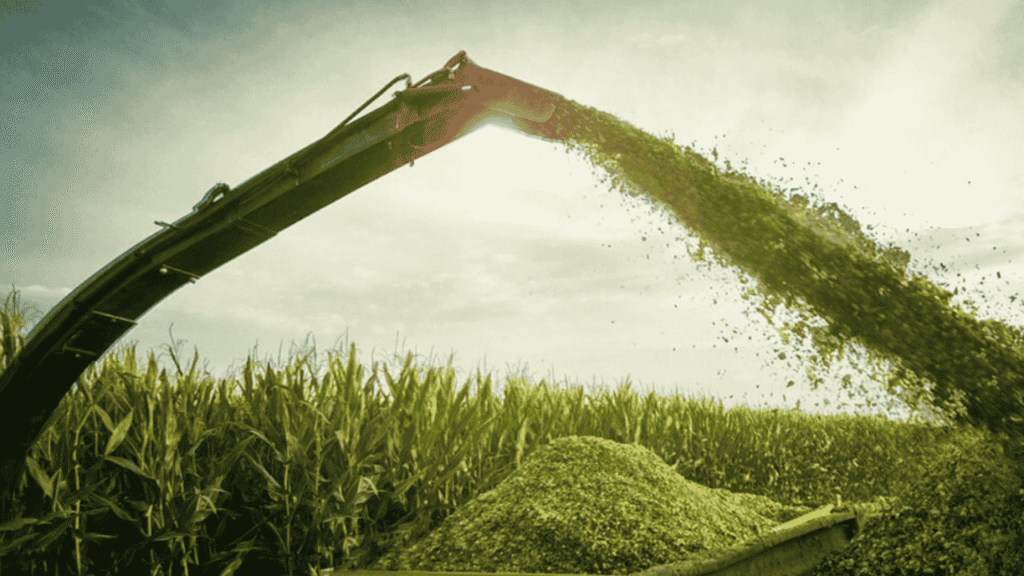
Harvesting time is a critical factor that directly affects the quality, fermentation, and nutritional value of silage. Silage is a preserved forage used to provide livestock with feed during periods of low pasture availability. The stage of maturity at which crops are harvested influences moisture content, fiber levels, digestibility, and protein composition, all of which determine animal performance. Proper timing ensures optimal fermentation and minimizes nutrient losses during storage.
Understanding the effect of harvesting time helps farmers plan for maximum yield and quality. Early harvesting may provide higher protein and digestibility but lower biomass, whereas delayed harvesting increases yield but may reduce nutrient density. Balancing these factors is essential for producing silage that supports livestock growth, milk production, and overall health.
Table of Contents
Harvesting Time Effects
| Parameter | Early Harvest | Late Harvest |
|---|---|---|
| Moisture Content | High | Low |
| Crude Protein | High | Moderate to Low |
| Fiber (ADF/NDF) | Low | High |
| Digestibility | High | Moderate |
| Silage Fermentation | Faster, stable | Slower, risk of spoilage |
Moisture and Nutrient Balance
Moisture content at harvest is a key determinant of silage quality. For optimal fermentation, silage typically requires 60–70% moisture. Early harvesting ensures higher moisture levels, which facilitate lactic acid fermentation, reduce spoilage, and preserve nutrients. However, excessive moisture can lead to undesirable fermentation, including butyric acid production.
Nutrient composition also changes with harvest timing. Early-harvested crops are richer in crude protein and soluble carbohydrates, improving digestibility and palatability. In contrast, late-harvested crops have higher fiber and lignin content, which may reduce intake and energy availability. Monitoring moisture and nutrient balance is essential for achieving high-quality silage.
Fermentation Dynamics
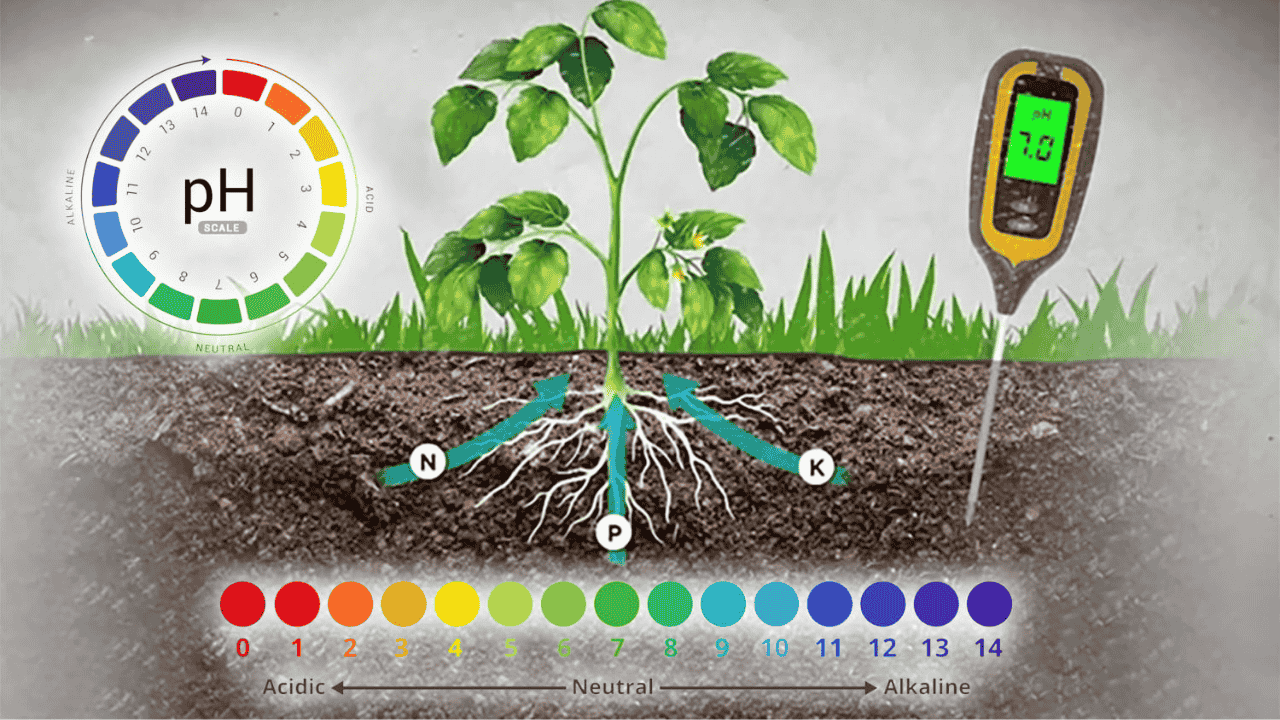
- Early Harvest Silage: High moisture and sugar content promote rapid lactic acid production, reducing pH quickly and stabilizing the silage. This supports good fermentation and minimal nutrient loss.
- Late Harvest Silage: Lower moisture can slow fermentation and increase the risk of mold or spoilage. Higher fiber content reduces microbial access to sugars, resulting in slower acidification.
- Additives and Inoculants: Using microbial inoculants can improve fermentation efficiency, especially when harvesting late.
Understanding fermentation dynamics helps producers adjust harvest timing and management practices to ensure silage quality.
Stage of Maturity
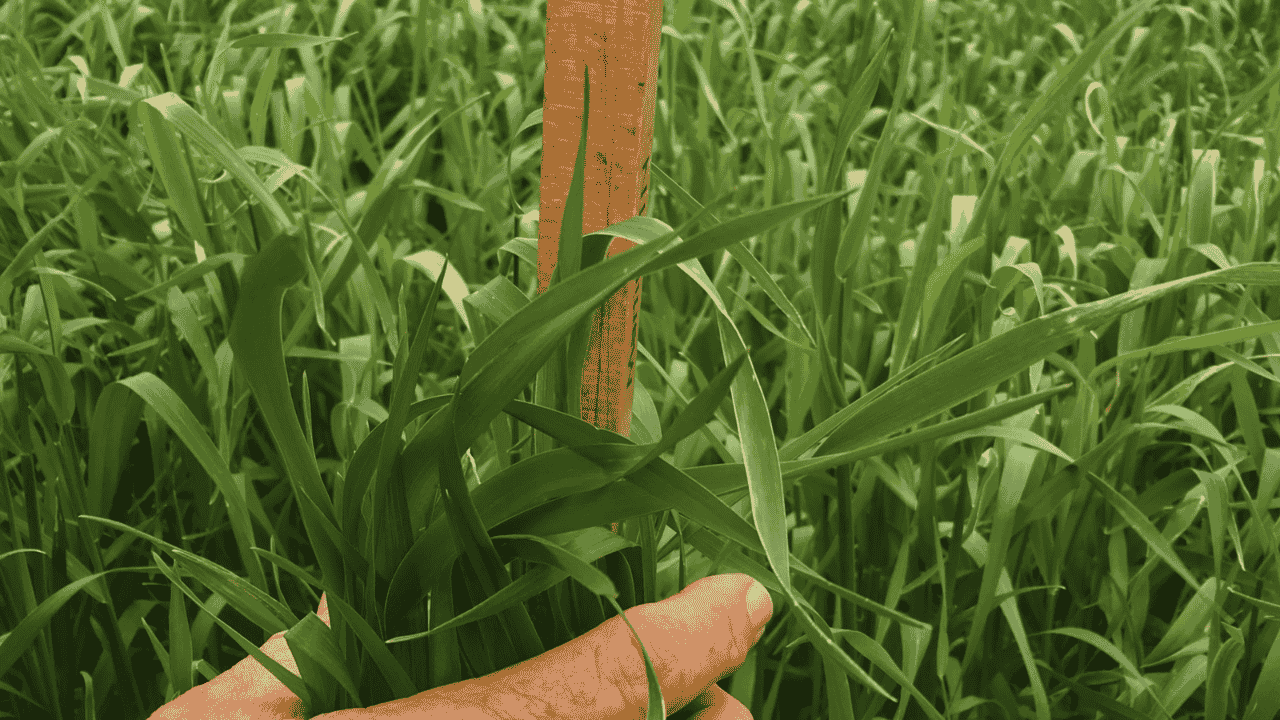
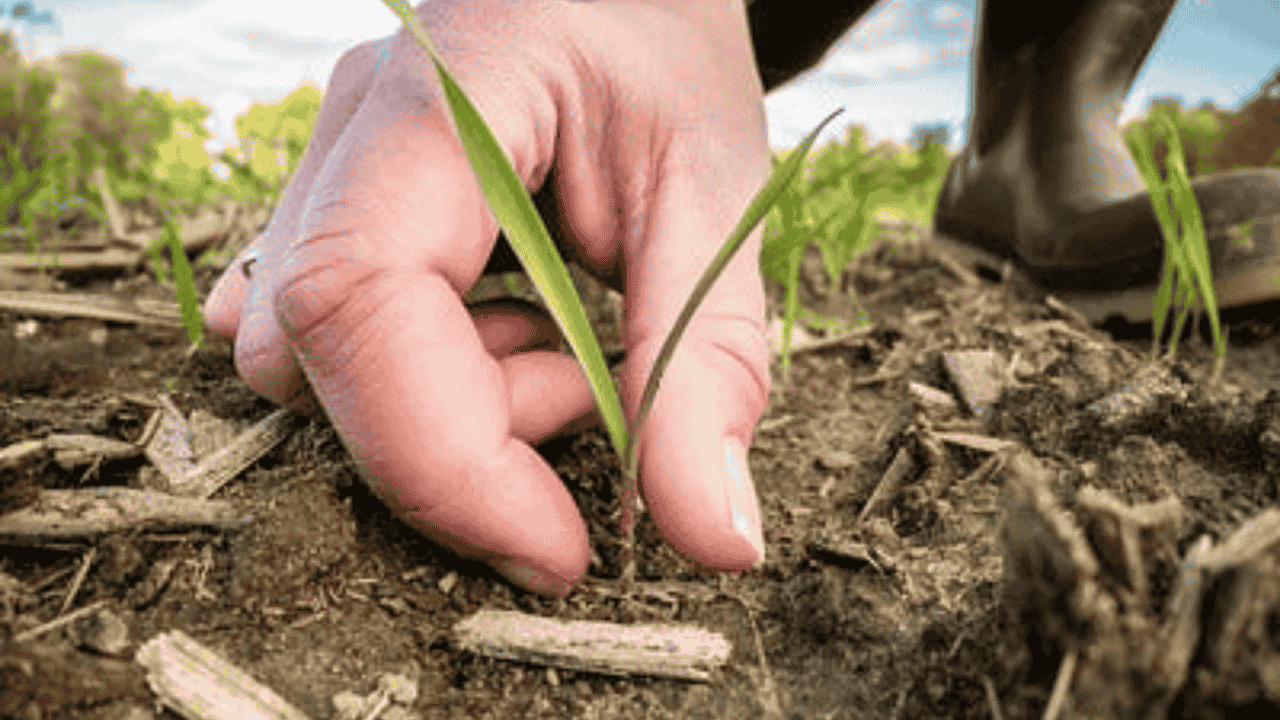
- Vegetative Stage: Crops harvested at early vegetative stages have high protein, low fiber, and high digestibility. Biomass yield is lower, but nutrient concentration is optimal.
- Boot Stage: Represents a balance between yield and quality, providing moderate protein, digestibility, and biomass.
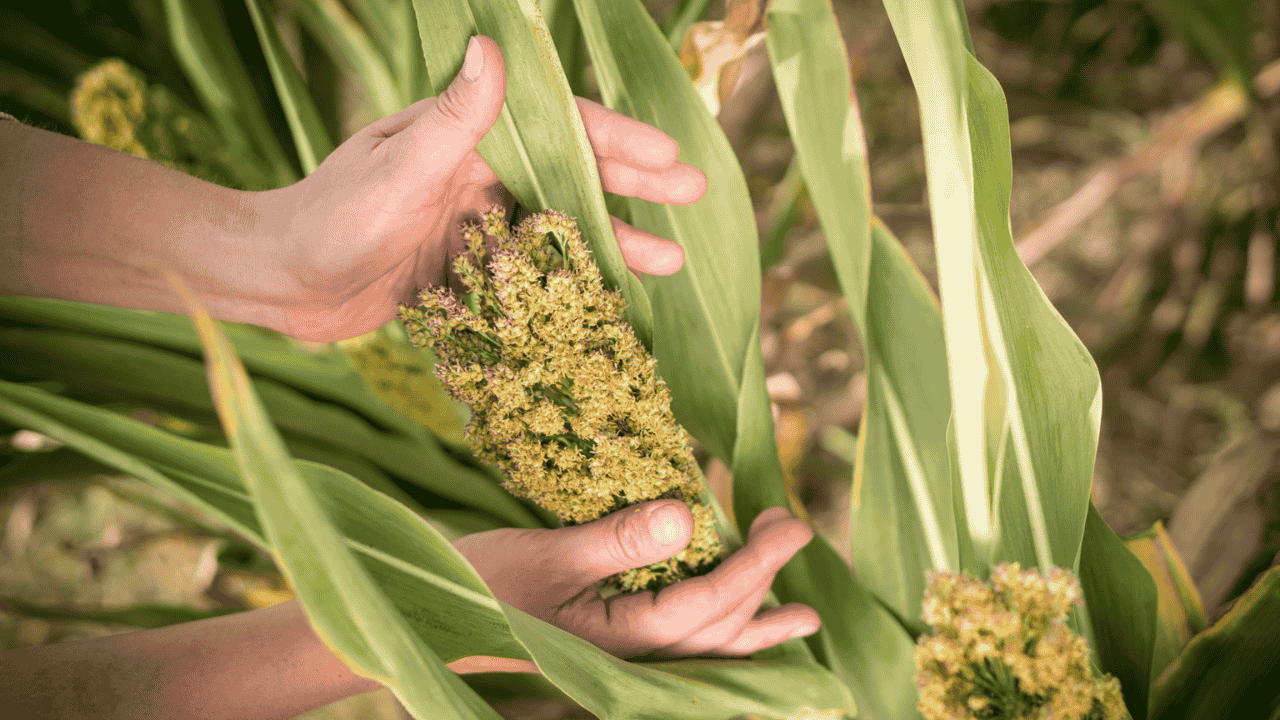
- Flowering/Mature Stage: Highest yield but lower protein content and digestibility due to increased fiber. Ideal for producers prioritizing quantity over nutrient density.
- Influence on Different Crops: Grass species, maize, and legumes all respond differently to the harvesting stage, requiring species-specific management for silage quality.
Selecting the correct maturity stage is essential for balancing yield, nutrient content, and fermentation success.
Impact on Animal Performance
- Early Harvest Silage: Improves feed intake, growth rate, and milk production due to higher protein and digestibility.
- Late Harvest Silage: Supports energy-dense diets but may require supplementation with protein-rich feeds to maintain animal performance.
- Palatability Considerations: Early-harvested silage is generally more palatable, encouraging higher consumption and better nutrient utilization.
- Long-Term Effects: Consistent harvest timing ensures stable feed quality, supporting predictable livestock productivity over time.
Understanding the link between harvest timing and animal performance helps optimize feed management strategies.
Storage and Preservation
Harvesting time also affects silage storage and stability. Early-harvested silage with high moisture requires careful packing to prevent anaerobic spoilage. Late-harvested silage, being drier, may be prone to mold growth and poor fermentation. Proper silo management, including compaction, sealing, and the use of additives, is necessary to maintain quality.
Temperature, exposure to oxygen, and silo type also influence silage preservation. Monitoring these factors alongside harvest timing ensures nutrient retention and minimizes losses during storage.
Management Recommendations
- Timing Strategy: Harvest crops when they reach an optimal balance between moisture, protein, and fiber.
- Moisture Adjustment: Wilt overly wet crops to prevent undesirable fermentation; add water to very dry crops if necessary.
- Crop-Specific Practices: Adjust harvesting time based on species, including grasses, legumes, or maize, to optimize silage quality.
- Monitoring: Regularly check silage pH, temperature, and aerobic stability to ensure quality during storage.
Adopting precise harvest timing strategies enhances both silage quality and livestock productivity.
The Bottom Line
Harvesting time is a crucial determinant of silage quality, affecting moisture, nutrient content, fermentation, and animal performance. Early harvesting favors higher protein, digestibility, and palatability, while later harvesting increases yield but may reduce nutritive value. By carefully selecting the optimal harvest stage and managing storage conditions, farmers can produce high-quality silage that supports sustainable and efficient livestock production. Proper planning and monitoring are key to achieving consistent and productive silage outcomes.