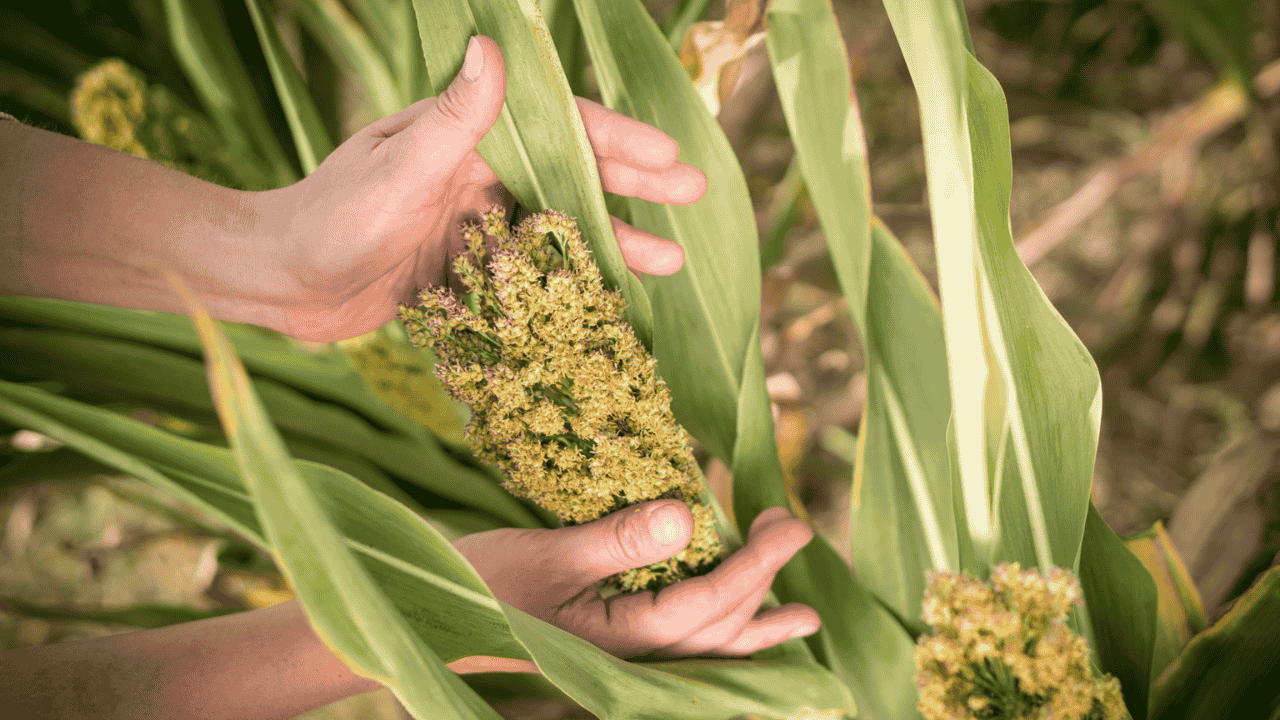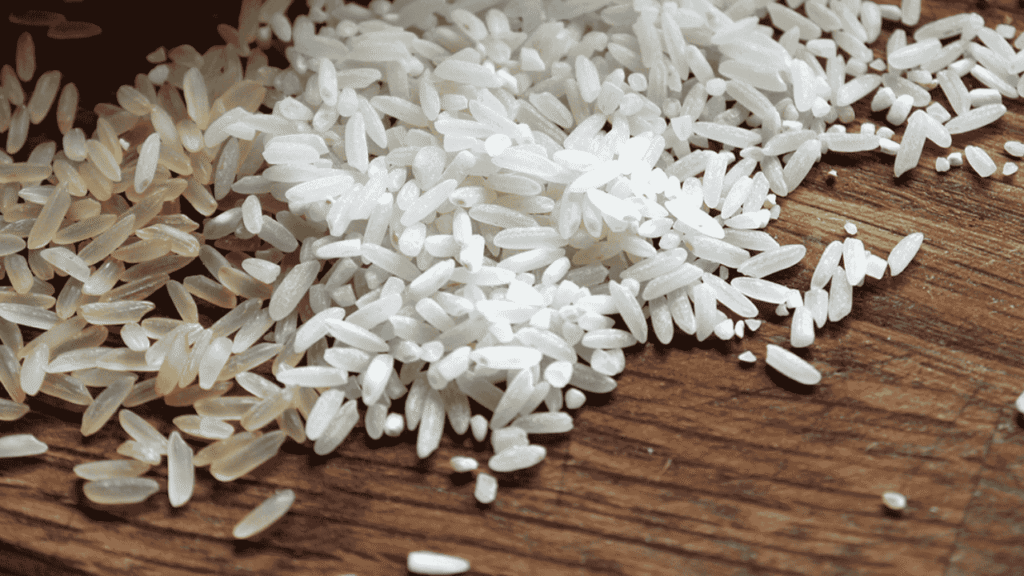
Rice is a staple crop for over half of the world’s population, making yield improvement a critical goal in global agriculture. Understanding the genetic basis of yield-related traits—such as plant height, panicle length, grain size, and number of grains per panicle—is essential for developing high-yielding and resilient rice varieties. Genetic mapping allows researchers to identify specific regions of the genome associated with desirable traits, enabling targeted breeding and efficient crop improvement.
With the increasing demand for rice and challenges posed by climate change, integrating genomics and molecular breeding techniques has become essential. Genetic mapping provides a pathway to enhance productivity, improve grain quality, and develop stress-tolerant varieties, ensuring food security and sustainable rice production.
Table of Contents
Overview
| Aspect | Key Focus |
|---|---|
| Yield Traits | Plant height, panicle length, grain number, grain size |
| Genetic Tools | QTL mapping, SNP markers, molecular markers |
| Breeding Applications | Marker-assisted selection and trait introgression |
| Stress Tolerance | Drought, salinity, and disease resilience |
| Productivity Improvement | High-yielding and quality varieties |
| Sustainability | Efficient breeding and resource use |
Key Yield-Related Traits in Rice
Rice yield is determined by multiple quantitative traits, including plant architecture, panicle structure, grain weight, and number of tillers. Each of these traits is influenced by complex interactions of multiple genes and environmental factors.
Understanding these traits through genetic mapping allows breeders to identify genes and genomic regions that contribute most significantly to yield. This knowledge guides selection and cross-breeding strategies for high-performing varieties under diverse growing conditions.
Quantitative Trait Loci (QTL) Mapping
Quantitative trait loci (QTL) mapping is a primary approach for linking genetic regions to phenotypic traits. Researchers use molecular markers such as SNPs, SSRs, and RFLPs to detect associations between DNA sequences and yield-related traits.
QTL mapping enables identification of major and minor effect loci, providing targets for marker-assisted selection. This accelerates breeding programs by allowing precise introgression of favorable alleles into elite rice varieties.
Molecular Markers and Genomic Tools
Advances in molecular biology have enhanced genetic mapping accuracy. Single-nucleotide polymorphism (SNP) markers, high-density linkage maps, and genome-wide association studies (GWAS) allow fine-scale detection of trait-associated genes.
These tools help identify candidate genes controlling yield, grain quality, and stress tolerance. Integration of molecular markers into breeding programs ensures efficient selection and faster development of superior cultivars.
Breeding Applications
Genetic mapping informs marker-assisted selection (MAS), enabling breeders to incorporate favorable alleles without lengthy phenotypic selection. MAS accelerates the development of rice varieties with higher yield potential, improved grain quality, and adaptability.
Additionally, mapped traits can be combined through gene pyramiding, allowing multiple yield-related traits to be improved simultaneously. This approach enhances both productivity and resilience in cultivated rice varieties.
Stress Tolerance and Yield Stability
Genetic mapping also identifies loci associated with abiotic and biotic stress tolerance, such as drought, salinity, heat, and disease resistance. Incorporating these loci into breeding programs ensures that high-yielding varieties remain productive under challenging environmental conditions.
This combination of yield improvement and stress resilience is essential for sustainable rice production, particularly in regions vulnerable to climate variability.
Integration with Modern Breeding Approaches
Combining genetic mapping with genomic selection, CRISPR-based gene editing, and high-throughput phenotyping offers new avenues for rice improvement. These approaches enable precise modification of target genes, faster evaluation of traits, and rapid development of elite lines.
Integration of these modern tools ensures that breeding programs remain efficient, cost-effective, and responsive to global food security needs.
Last Words
Genetic mapping of yield-related traits in rice is a powerful tool for modern breeding. By identifying key genomic regions associated with plant architecture, panicle structure, grain size, and stress tolerance, researchers can accelerate the development of high-yielding, resilient, and quality rice varieties. Integrating molecular markers, QTL mapping, and genomic tools with traditional breeding practices enhances efficiency, sustainability, and adaptability, ensuring long-term productivity and food security for rice-growing regions worldwide.