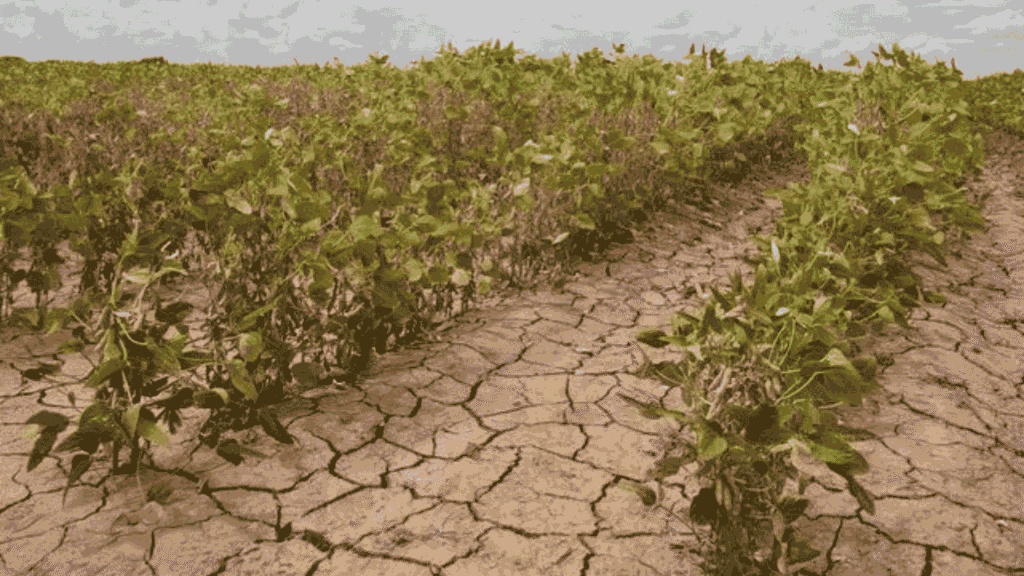
Climate change is reshaping the distribution, productivity, and quality of forage crops worldwide. Rising temperatures, altered rainfall patterns, and increased frequency of extreme weather events affect plant growth, soil fertility, and pest pressures, which in turn influence forage availability for livestock. Understanding the impact of climate change on forage crops is crucial for developing adaptive strategies that ensure sustainable livestock production.
Shifts in climate can result in the expansion of some forage species into new areas while reducing the suitability of traditional grazing lands. This requires proactive planning, including the selection of climate-resilient species, the adjustment of planting schedules, and improved pasture management practices to maintain feed security and productivity under changing conditions.
Table of Contents
Climate Change Impacts
| Factor | Effect on Forage Crops |
|---|---|
| Temperature Increase | Accelerated growth of warm-season grasses; stress on cool-season species |
| Rainfall Variability | Droughts reduce biomass; heavy rainfall causes waterlogging and root damage |
| CO₂ Concentration | May enhance photosynthesis but can alter nutrient composition |
| Extreme Weather | Heatwaves, storms, and frost events damage crops |
| Pest and Disease Pressure | Expanded range and severity of pathogens and insect pests |
Temperature Effects
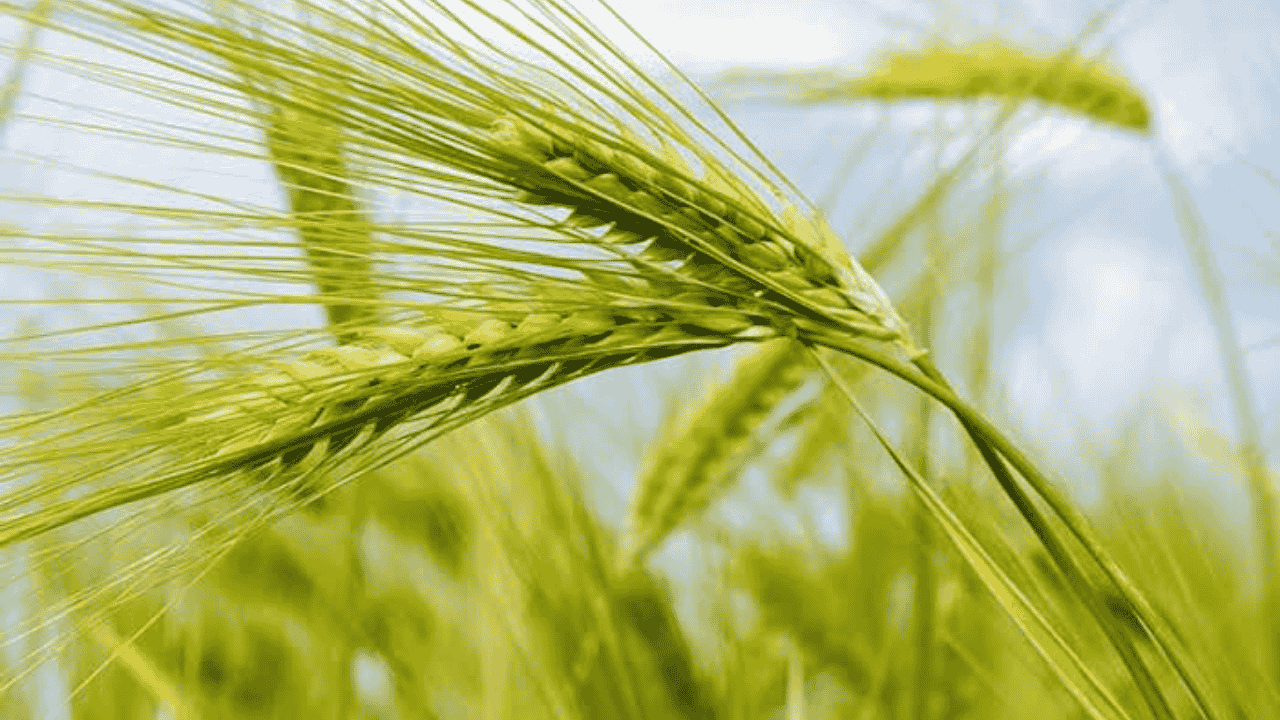
Rising temperatures influence the growth and distribution of forage species. Warm-season grasses such as Bermuda grass and Napier grass may expand into regions previously dominated by cool-season species like ryegrass and timothy. Conversely, higher temperatures can stress cool-season forages, reducing growth rates, protein content, and overall digestibility.
Heat stress also affects reproductive development, limiting seed production and the establishment of new stands. Understanding temperature thresholds for different forage species is essential for selecting resilient crops and planning future pasture systems.
Rainfall and Water Availability
- Drought Conditions: Reduced rainfall limits biomass production, decreases palatability, and reduces nutrient content. Drought-tolerant species may become increasingly important.
- Excess Water: Heavy rainfall or flooding can cause waterlogging, root rot, and nutrient leaching, negatively impacting forage yields.
- Irrigation and Water Management: Adaptive measures such as supplemental irrigation, drainage systems, and drought-resistant varieties can mitigate adverse effects.
Rainfall variability requires flexible management strategies to maintain a consistent forage supply throughout the year.
CO₂ Concentration and Plant Growth
Rising atmospheric CO₂ levels can enhance photosynthesis, leading to increased biomass production in some forage species. However, this may also alter nutrient composition, reducing protein content and affecting digestibility. These changes could require adjustments in livestock feeding strategies to maintain animal performance.
Additionally, CO₂ enrichment may favor certain species over others, influencing competitive dynamics in mixed pastures and potentially altering species composition in grazing systems.
Pest and Disease Pressure
Climate change affects the prevalence, distribution, and severity of pests and diseases in forage crops. Warmer temperatures and higher humidity can expand the range of fungal pathogens, nematodes, and insect pests. Increased pest pressure reduces forage yield, quality, and persistence, posing challenges for livestock nutrition.
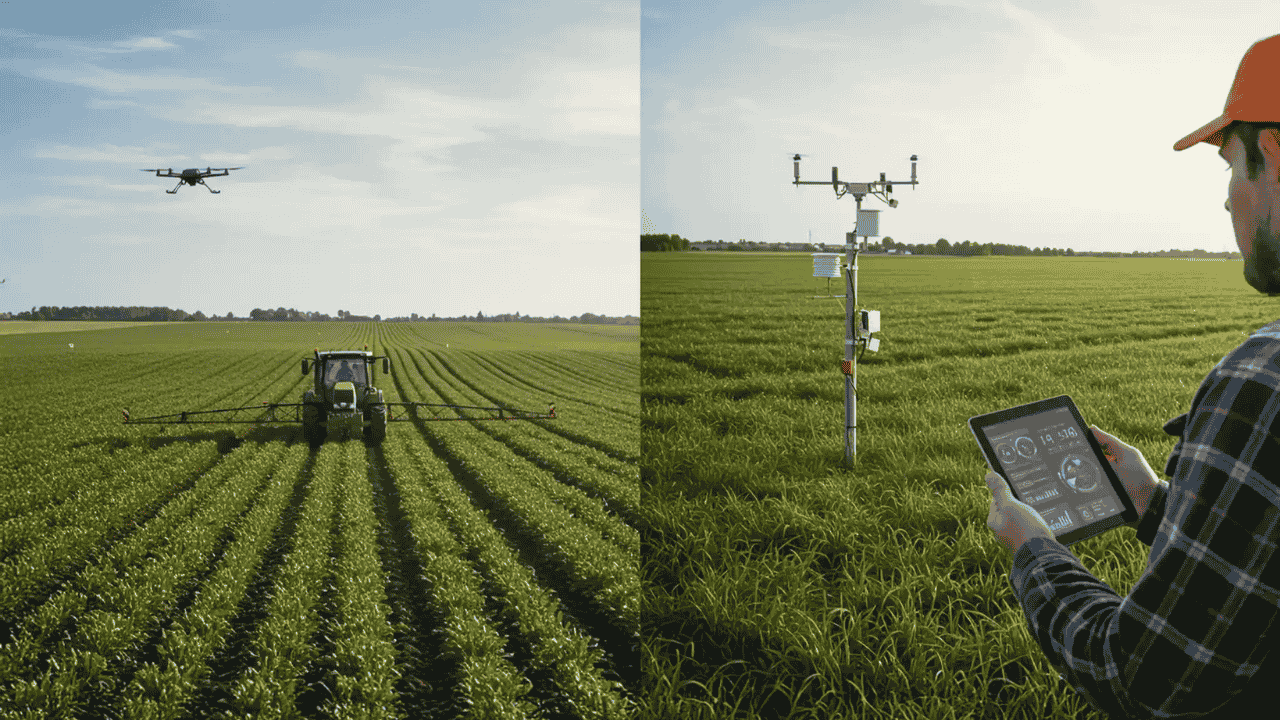
Integrating pest-resistant varieties, monitoring, and biological control measures will become increasingly important to maintain forage productivity under changing climatic conditions.
Adaptive Management Strategies
- Species Selection: Use drought-tolerant, heat-resilient, and fast-growing forage species to cope with climate variability.
- Mixed Pastures: Combining grasses and legumes improves resilience and ensures a balanced nutrient supply.
- Flexible Planting Schedules: Adjust sowing dates to match shifting rainfall and temperature patterns.
- Soil and Water Management: Enhance water retention, apply mulch, and use efficient irrigation to mitigate climate stress.
Proactive adaptation ensures sustainable forage production despite unpredictable environmental changes.
Economic and Livestock Implications
Changes in forage distribution and quality affect livestock production systems. Reduced forage availability can lead to increased reliance on supplemental feed, raising production costs. Altered nutrient composition may impact growth, milk yield, and reproductive performance. Farmers must anticipate these challenges and adopt climate-smart practices to maintain profitability and food security.
Investing in adaptive strategies, resilient crop varieties, and efficient grazing management can offset negative impacts, supporting the long-term sustainability of livestock operations.
Final Analysis
Climate change poses significant challenges to the distribution, productivity, and quality of forage crops. Temperature shifts, rainfall variability, elevated CO₂, and increased pest pressure all influence forage availability and nutrient content. By adopting adaptive management strategies, selecting resilient species, and improving pasture practices, farmers can mitigate the impacts of climate change. Proactive planning is essential to maintain sustainable livestock production, ensuring consistent feed supply, economic viability, and environmental resilience in a changing climate.