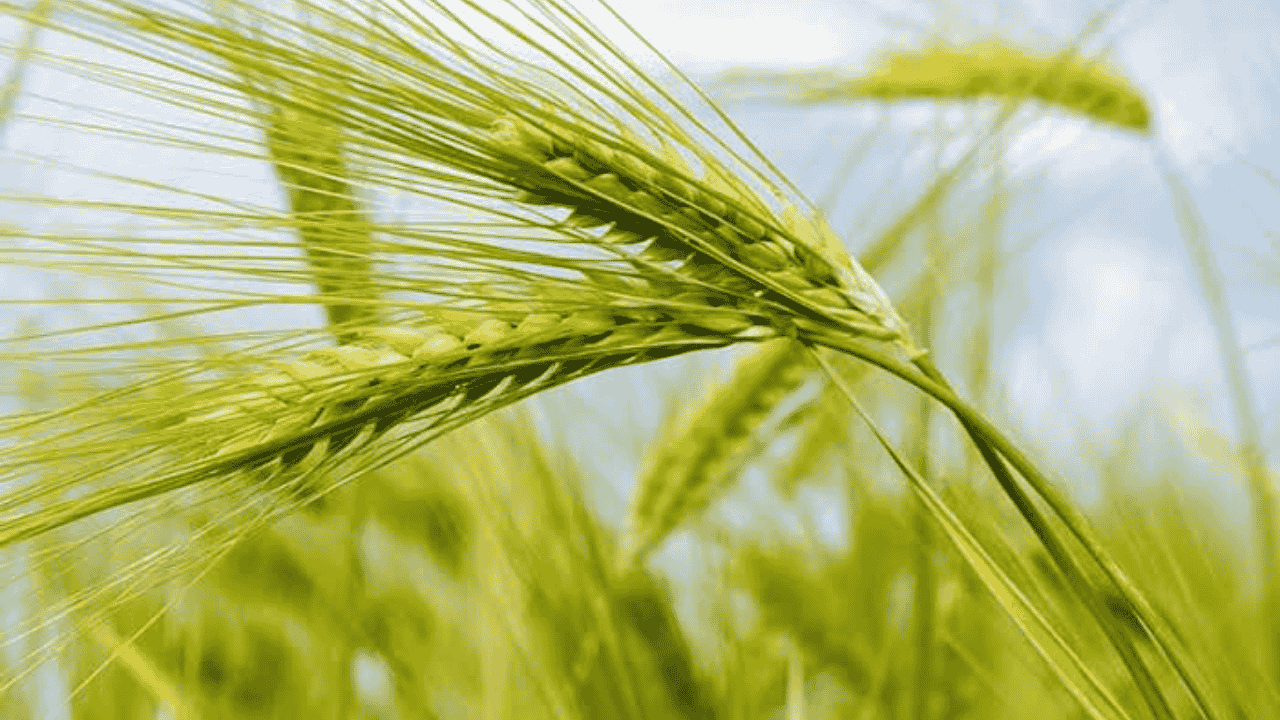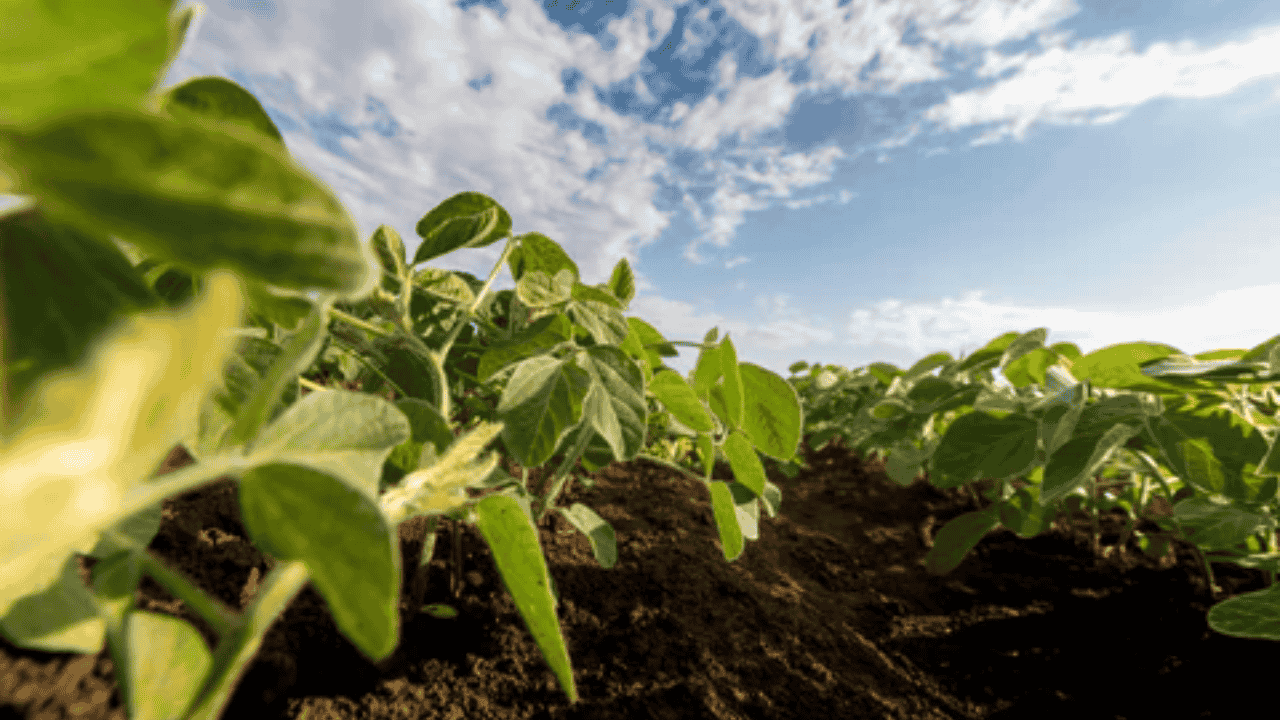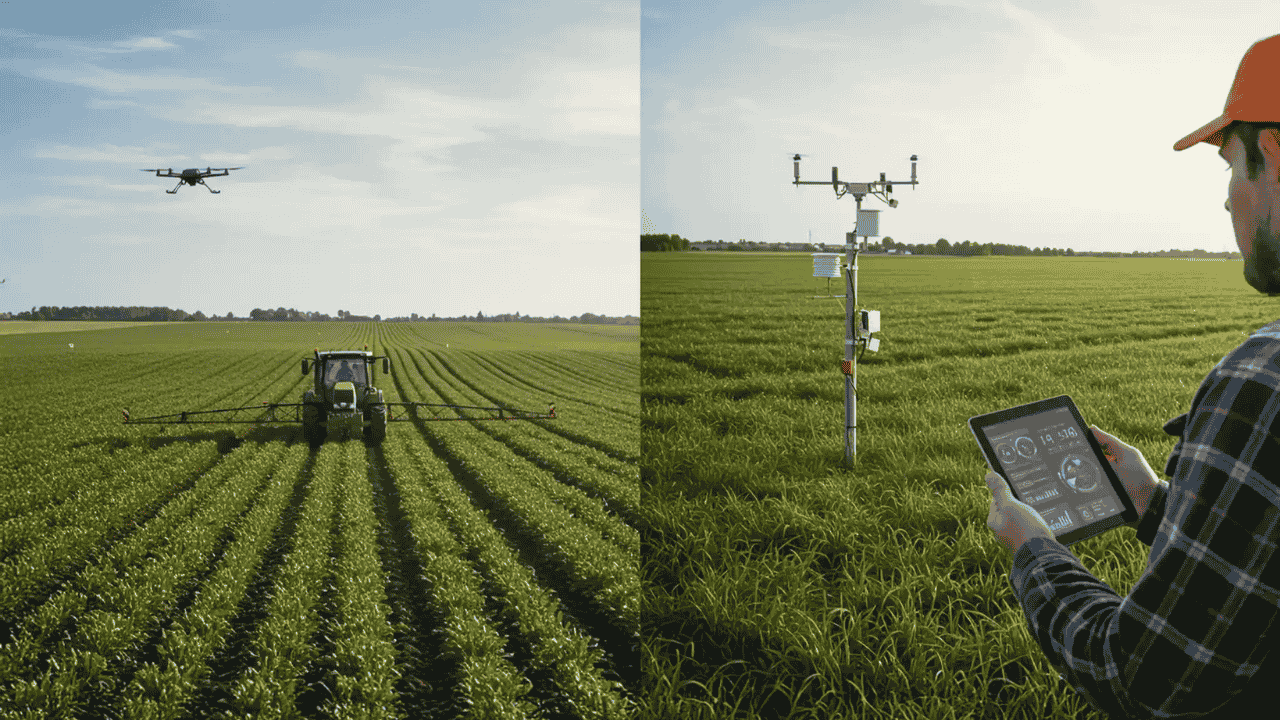
Fertilization is a critical management practice that directly impacts forage crop growth, nutrient content, and overall yield. Adequate application of essential nutrients such as nitrogen, phosphorus, and potassium improves plant vigor, enhances biomass production, and ensures high-quality feed for livestock. The influence of fertilization extends beyond yield, affecting forage composition, digestibility, and palatability.
Understanding fertilization strategies helps farmers optimize nutrient use efficiency while minimizing environmental impacts. Over- or under-application of fertilizers can compromise crop productivity, soil health, and sustainability. Proper nutrient management is therefore essential for producing high-quality forage while maintaining ecological balance.
Table of Contents
Fertilization Effects
| Nutrient | Primary Effect |
|---|---|
| Nitrogen (N) | Boosts leaf growth, protein content, and biomass yield |
| Phosphorus (P) | Supports root development and early growth |
| Potassium (K) | Enhances stress tolerance and carbohydrate accumulation |
| Micronutrients | Improve metabolic functions and forage quality |
| Application Timing | Critical for maximizing nutrient uptake and yield |
Nitrogen Fertilization
Nitrogen is the most influential nutrient for forage crops, promoting leafy growth and increasing crude protein content. Application of nitrogen fertilizers stimulates photosynthesis, accelerates growth rates, and enhances forage digestibility. Nitrogen also supports regrowth after cutting or grazing, ensuring a continuous feed supply for livestock.
However, excessive nitrogen can increase nitrate accumulation, posing a risk of toxicity for ruminants. It may also reduce root development and predispose plants to lodging. Balancing nitrogen levels according to soil tests, crop species, and growth stage is crucial for optimizing productivity and safety.
Phosphorus and Potassium
- Phosphorus (P): Essential for root establishment, energy transfer, and early growth. Adequate phosphorus improves stand longevity and supports rapid regrowth after grazing or cutting.
- Potassium (K): Regulates water balance, enhances drought tolerance, and strengthens plant tissue. Potassium-rich forages exhibit better resistance to stress and improved carbohydrate content, contributing to higher livestock energy intake.
- Combined Effects: Balanced P and K fertilization ensures that nitrogen is efficiently utilized, maximizing overall forage yield and quality.
Applying phosphorus and potassium at the appropriate rates and timing enhances plant resilience and ensures consistent productivity throughout the season.
Micronutrients and Trace Elements
- Role in Metabolism: Micronutrients such as zinc, magnesium, and manganese are required in small amounts but are essential for enzyme activity, chlorophyll synthesis, and overall plant health.
- Improved Forage Quality: Adequate micronutrient supply improves protein synthesis, palatability, and digestibility of forage crops.
- Deficiency Risks: Low soil micronutrient availability can limit crop performance even when macronutrients are sufficient.
Incorporating micronutrients based on soil testing helps maintain balanced growth and high-quality forage production.
Application Methods and Timing
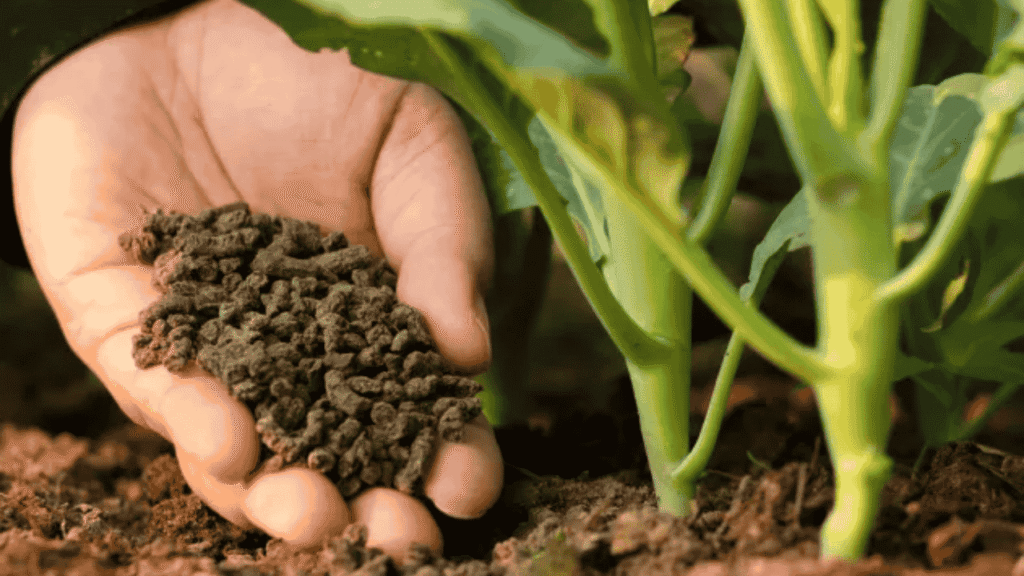
- Soil Application: Basal fertilizer application ensures nutrient availability from early growth stages.
- Foliar Feeding: Useful for correcting micronutrient deficiencies during the growing season.
- Split Application: Applying nutrients in multiple doses improves uptake efficiency and reduces losses.
- Growth Stage Consideration: Fertilization should coincide with active vegetative growth to maximize biomass and nutrient content.
Proper application methods and timing are essential to achieve optimal nutrient uptake and sustained productivity.
Impact on Forage Yield
Fertilization significantly influences both the quantity and quality of forage. Adequate nutrient supply increases leaf-to-stem ratio, improves digestibility, and enhances crude protein content. Crops with balanced fertilization produce higher biomass, providing more feed per unit area and improving livestock productivity.
Conversely, nutrient imbalances or deficiencies lead to reduced growth, poor forage quality, and lower feed intake. Combining macronutrients and micronutrients tailored to specific forage species ensures maximum yield potential and feed efficiency.
Environmental Considerations
Excessive fertilizer use can lead to nutrient runoff, soil acidification, and water pollution. Sustainable fertilization practices, including soil testing, precise nutrient application, and integrated nutrient management, minimize environmental risks while maintaining forage productivity. Incorporating legumes in pastures can also reduce nitrogen fertilizer requirements by naturally fixing atmospheric nitrogen.
Balancing productivity goals with ecological stewardship ensures that forage production remains sustainable in the long term.
The Way Forward
Fertilization plays a pivotal role in determining forage crop productivity, nutritional quality, and sustainability. Nitrogen, phosphorus, potassium, and micronutrients must be carefully managed to maximize biomass, protein content, and digestibility. Proper application timing, dosage, and monitoring ensure efficient nutrient use, supporting high-quality livestock feed and sustainable agricultural practices. By adopting balanced fertilization strategies, farmers can enhance forage yield, improve animal performance, and protect the environment.