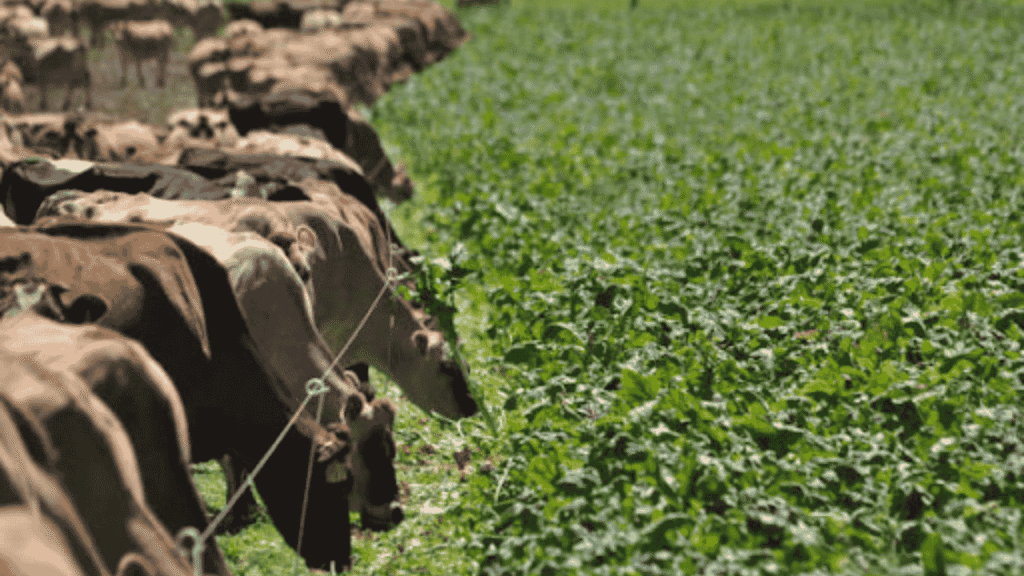
Forage crops form the backbone of livestock production, providing essential nutrients, fiber, and energy required for growth, reproduction, and milk or meat production. Sustainable livestock systems rely on well-managed forage resources to reduce dependency on imported feeds, minimize production costs, and maintain environmental balance. By integrating forage crops into livestock operations, farmers can improve feed security while promoting ecological sustainability.
Beyond nutrition, forage crops contribute to soil health, water conservation, and biodiversity. Deep-rooted grasses and legumes enhance soil structure, prevent erosion, and fix atmospheric nitrogen, reducing the need for chemical fertilizers. Understanding the role of forage crops is crucial for developing resilient livestock systems that are productive and environmentally responsible.
Table of Contents
Forage Crops in Livestock Production
| Aspect | Details |
|---|---|
| Purpose | Provide balanced nutrition and maintain pasture sustainability |
| Common Forages | Grasses (ryegrass, Bermuda), Legumes (clover, alfalfa) |
| Nutritional Role | Protein, fiber, vitamins, and minerals |
| Environmental Role | Nitrogen fixation, soil conservation, water retention |
| Production Benefit | Reduced feed costs, improved animal performance |
Nutritional Contribution
Forage crops supply the primary source of energy, protein, and fiber in livestock diets. Grasses provide digestible fiber, essential for rumen function in ruminants, while legumes offer higher protein content that supports growth and milk synthesis. Balanced forage diets reduce the need for supplemental concentrates, lowering production costs and supporting sustainable feed strategies.
The stage of forage maturity significantly influences its nutritional value. Younger plants are richer in protein and more digestible, whereas mature plants have higher fiber and lignin content, affecting intake and nutrient utilization. Regular monitoring and management of forage growth ensures consistent nutrient availability.
Yield and Productivity
- High Biomass Production: Properly managed forage crops deliver a consistent feed supply, supporting continuous livestock growth.
- Seasonal Adaptation: Cool- and warm-season forages complement each other, ensuring year-round availability.
- Quality Improvement: Incorporating legumes or improved grass varieties increases protein content, digestibility, and overall feed efficiency.
- Economic Benefits: Reduced reliance on external feed inputs decreases costs and enhances farm profitability.
By maximizing forage yield and quality, farmers can sustain larger herds while maintaining efficiency and reducing environmental impact.
Environmental Sustainability
Forage crops play a pivotal role in maintaining ecological balance in livestock systems. Deep-rooted species improve soil structure and reduce erosion, while legumes fix atmospheric nitrogen, decreasing the need for synthetic fertilizers. Cover crops and perennial forages enhance soil organic matter, water retention, and biodiversity.
In addition, forage crops mitigate greenhouse gas emissions by reducing the need for energy-intensive feed production. Strategic integration of forages in rotational grazing systems also improves pasture resilience, minimizes overgrazing, and supports sustainable land management.
Species Selection
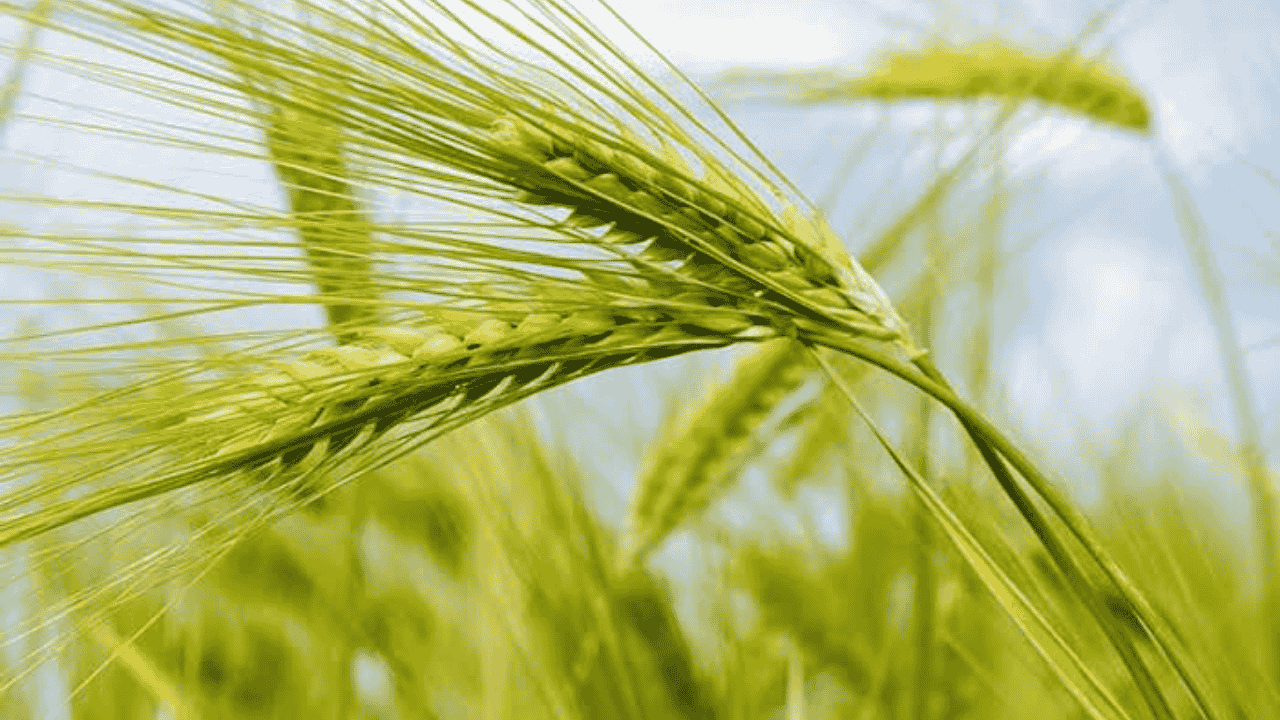
- Grasses: Ryegrass, Bermuda grass, timothy, and fescue provide high biomass and fiber.
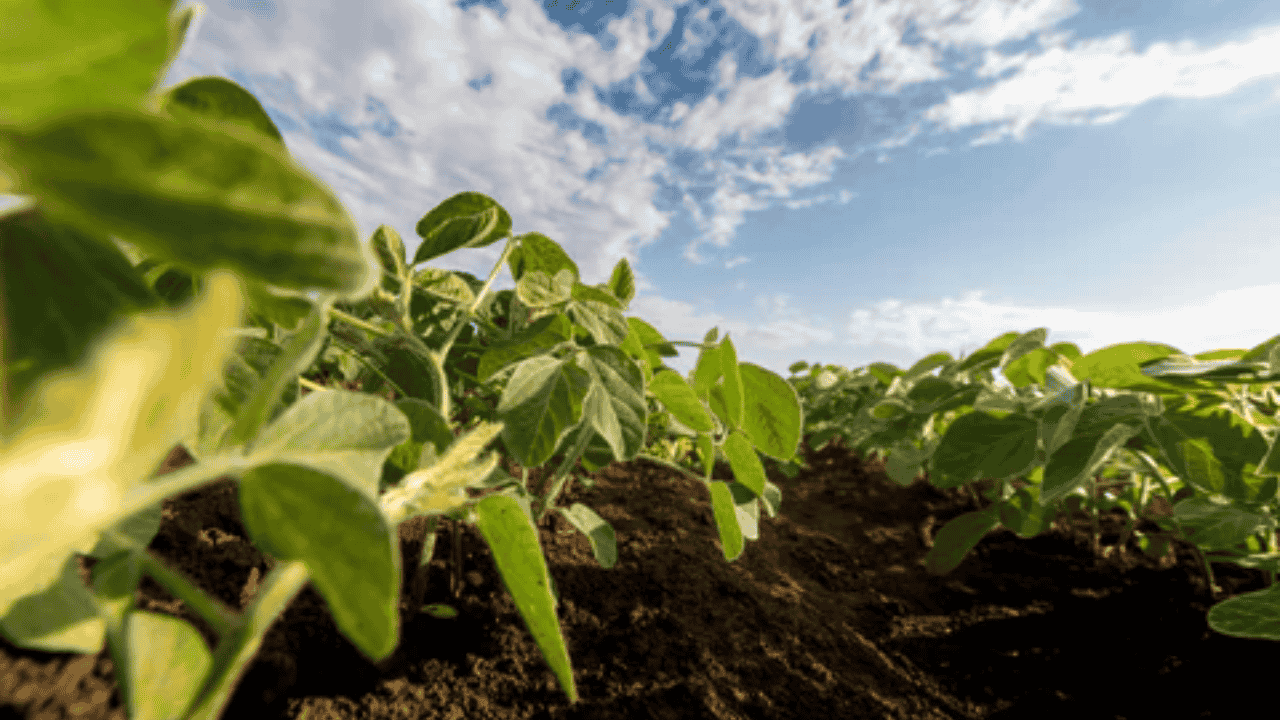
- Legumes: Clover, alfalfa, vetch, and lucerne offer protein-rich forage and soil nitrogen benefits.
- Mixed Pastures: Combining grasses and legumes optimizes nutrient content, yield stability, and palatability.
- Native Forages: Adapted species require minimal management and provide resilience to local climatic conditions.
Careful selection of species based on environmental conditions, livestock requirements, and management goals is key to sustainable forage production.
Grazing Management
- Rotational Grazing: Improves forage utilization, prevents overgrazing, and maintains pasture quality.
- Stocking Density: Adjusting livestock numbers ensures adequate forage availability and regrowth.
- Harvest Timing: Cutting forage at optimal maturity maximizes nutrient content and digestibility.
- Integration with Crop Systems: Forages can be incorporated into crop rotations, enhancing soil fertility and overall farm sustainability.
Effective grazing and harvest strategies ensure long-term productivity and environmental stewardship.
Economic Advantages
Forage crops reduce dependency on purchased feed, lowering production costs. High-quality forage enhances growth rates, milk yield, and reproductive performance, contributing to higher returns. Mixed-species pastures can extend the grazing season and reduce storage feed requirements, improving operational efficiency.
Investments in improved forage varieties and proper management practices provide long-term economic benefits by stabilizing feed supply and supporting sustainable livestock production systems.
Parting Insights
Forage crops are essential for sustainable livestock production, providing nutrition, enhancing soil fertility, and supporting environmental stewardship. Proper species selection, management, and integration into livestock systems ensure a consistent feed supply, improve productivity, and reduce costs. By emphasizing forage-based strategies, farmers can achieve resilient, high-performing, and environmentally responsible livestock operations that contribute to long-term agricultural sustainability.